

20th June 2020
The only reason that our canal exists today is because of a small group of campaigners in the late 1950s and 1960s.
After the Second World War all regular cargo-carrying on the canal ceased in the big freeze of the 1946/7 winter. After that the last boat from Shireoaks Colliery, carrying coal to the canalside brickworks at Walkeringham, was in 1949. The final commercial traffic was warp from West Stockwith to Walkeringham, ceasing in 1955 after being transferred to road vehicles. Warp was a fine, natural silt dredged from the River Trent, at the mouth of the River Idle, which was dried in the kilns at Walkeringham and used as a powder to polish metal in Sheffield’s cutlery trade. To the end, all boats were horse-drawn.
At the same time there was a growing awareness of the canal system and an increasingly popular desire nationally to see improvements made for commercial and leisure purposes. The Inland Waterways Association was formed in 1946 and a further voluntary body, The Inland Waterways Protection Society, carried out a detailed survey of the Chesterfield Canal in 1958/9. Campaigning rallies were held at Chesterfield and Worksop involving mostly canoes.
There were also boat rallies, organised by the fledgling Retford & Worksop Boat Club.
However the most famous event was when a small cruiser called Pleiades managed to reach Worksop from West Stockwith in May 1960 with as many as eight supporters hauling the towrope. To read the full story of this epic trip, see our Winter 2019/20 edition of Cuckoo magazine, available under Downloads at the top or bottom of the page.
Just after this trip, on May 24th 1960, a public enquiry into the future of the canal was held in Chesterfield. The principal proposals by British Waterways were:
1 The canal from West Stockwith to Worksop be retained for pleasure boating.
2 The section up to Kiveton Park be kept as a water supply channel.
3 From Kiveton Park to Spinkhill the channel be infilled and disposed of.
4 Between Spinkhill and Chesterfield, retained as a water supply channel to the works at Renishaw and Staveley.
However, for some time a threat still remained that the canal might be completely abandoned following the 1962 Transport Act, but the 1968 Transport Act finally designated the 26 miles of the canal between West Stockwith and Worksop as a Cruiseway.
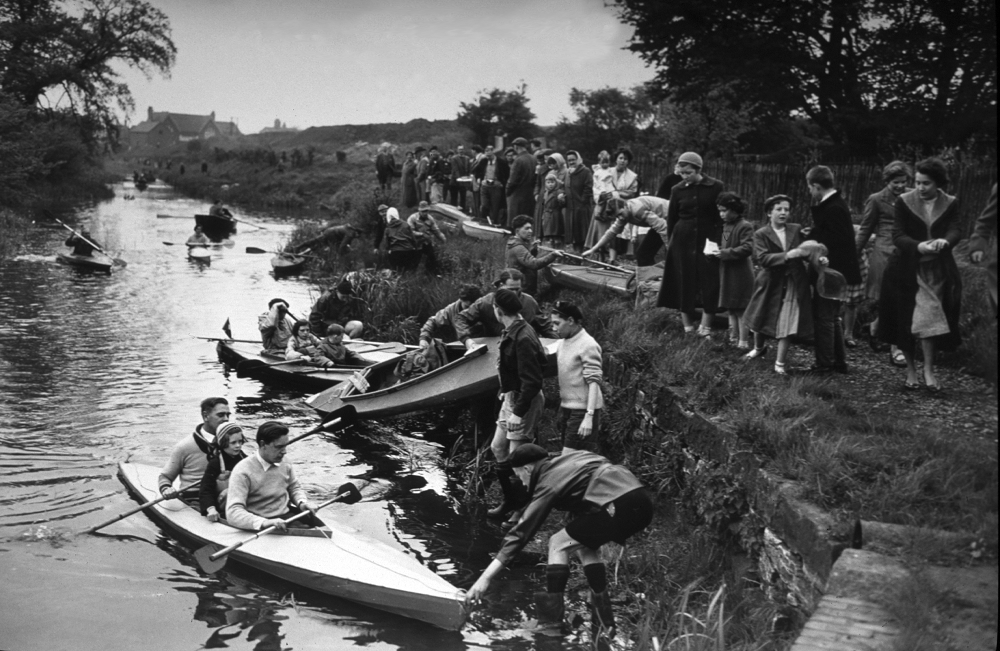
IWPS canoe rally at Shireoaks in 1959.
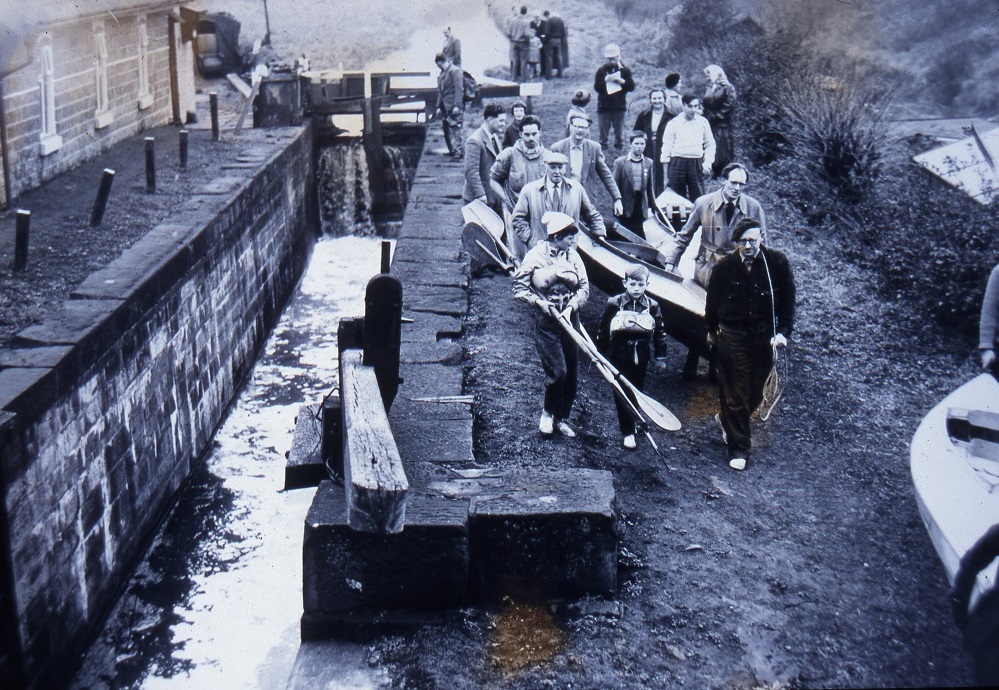
IWPS canoe rally at Tapton Lock in 1959.
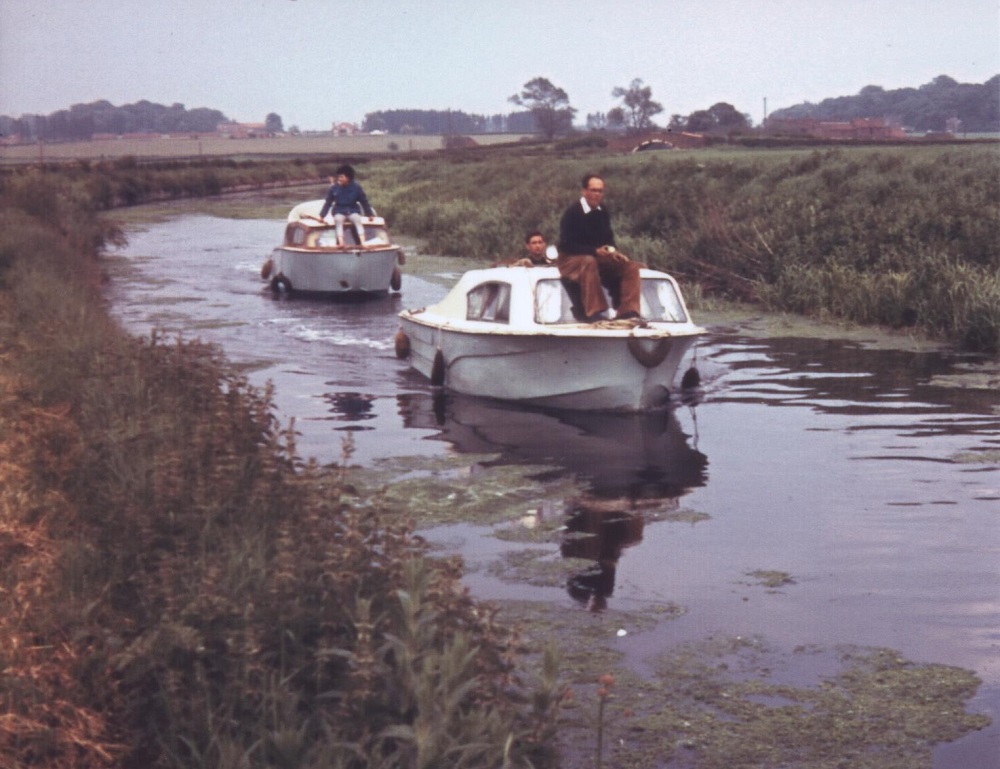
Brian Knight of Coventry Canal Society in 1962. Richard Allsopp collection
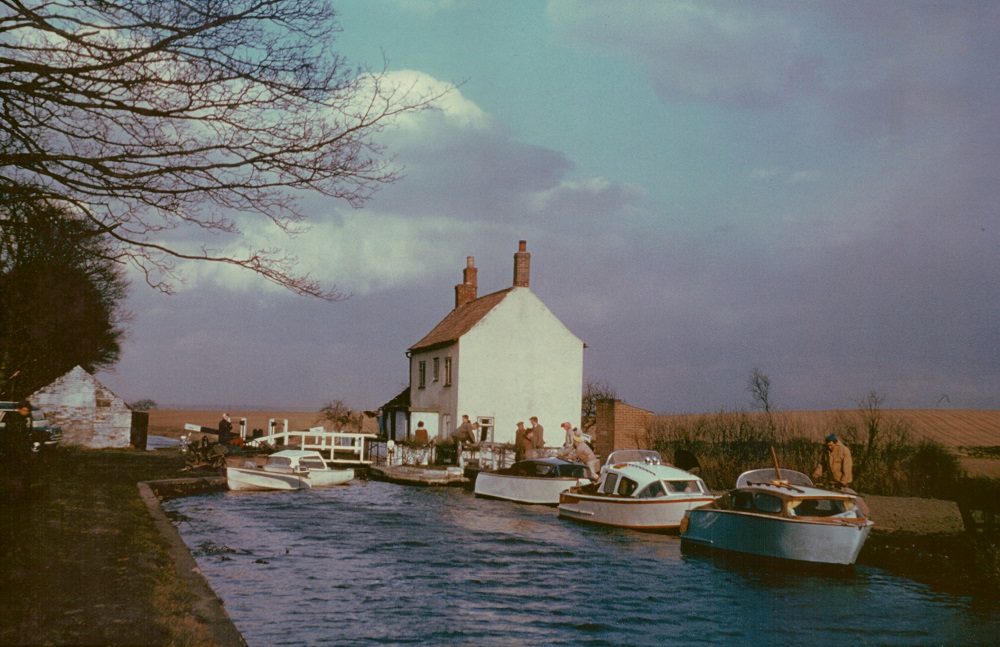
The very first R&WBC Club Gathering above Charlie’s Lock, January 1963.
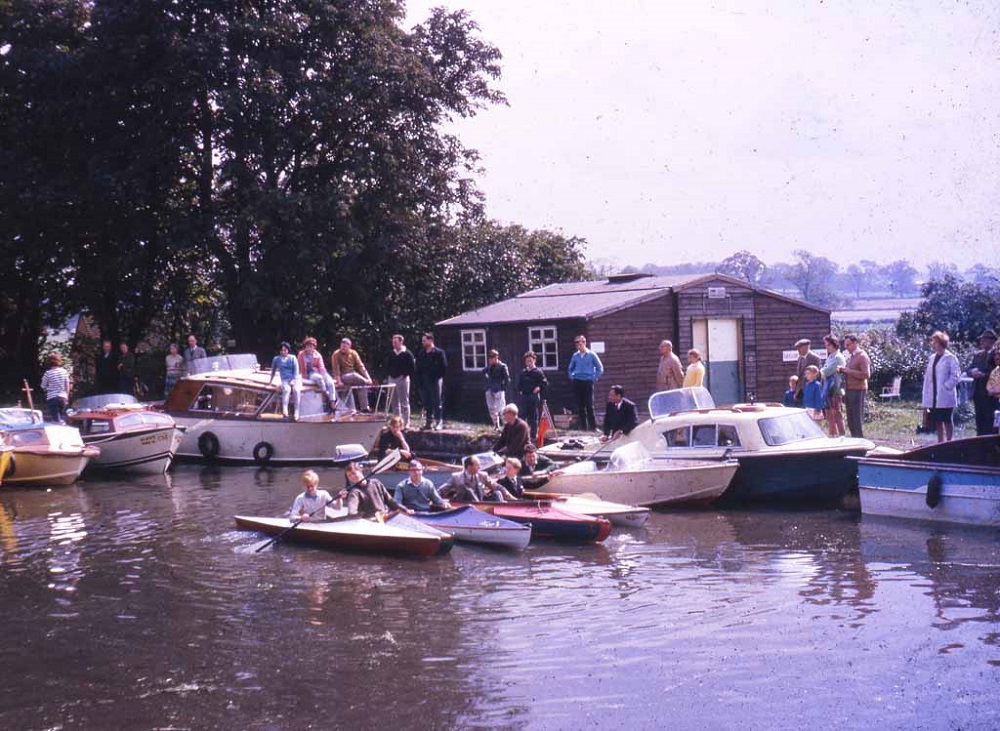
R&WBC rally at Drakeholes in 1963. John Lower collection
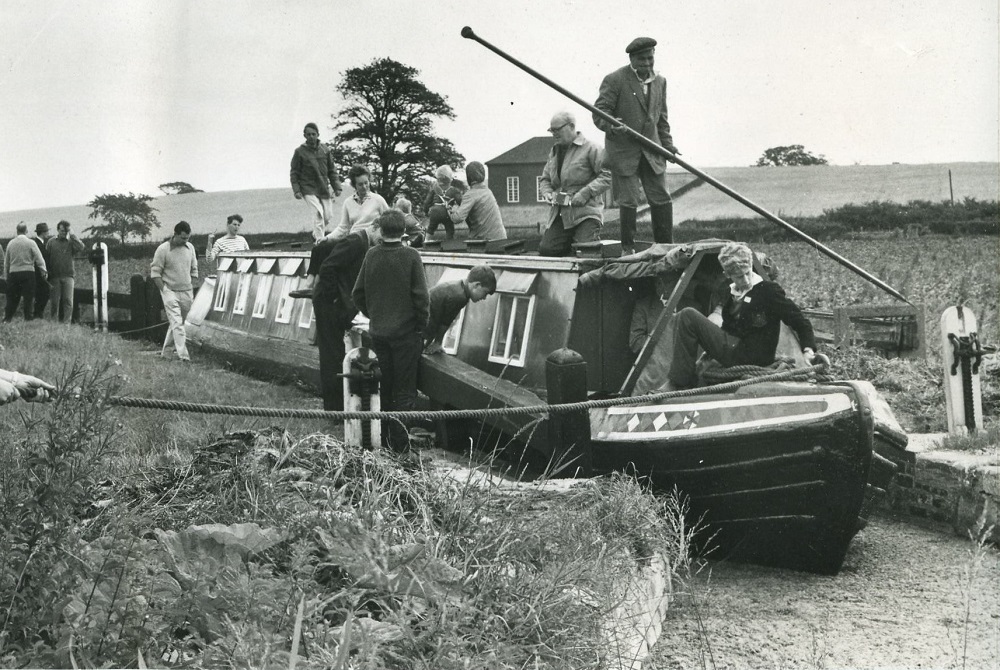
This is Nelson on its way up to Worksop in 1963. Richard Allsopp collection
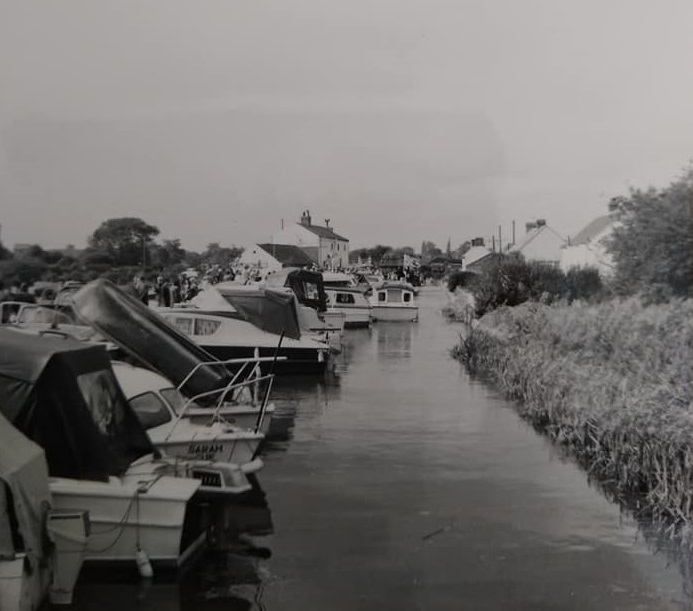
Rally at the boat club in the 1960s. Photo courtesy Michael White
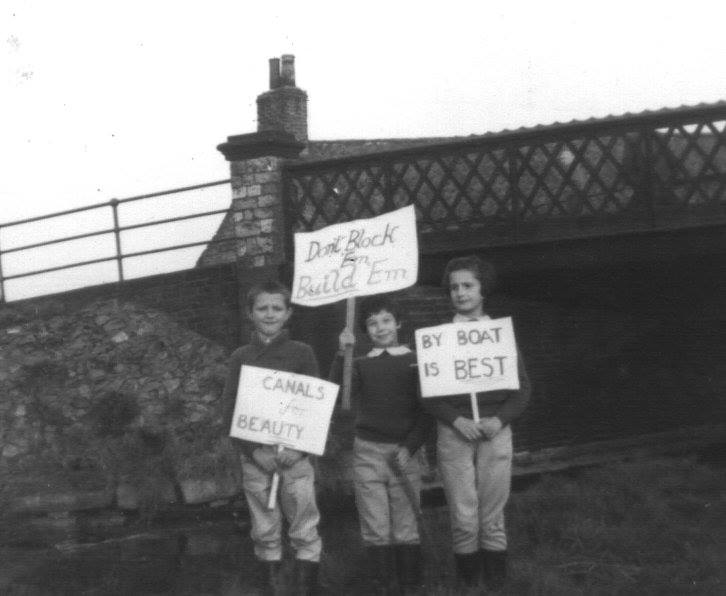
These rallies were supported by people of all ages.
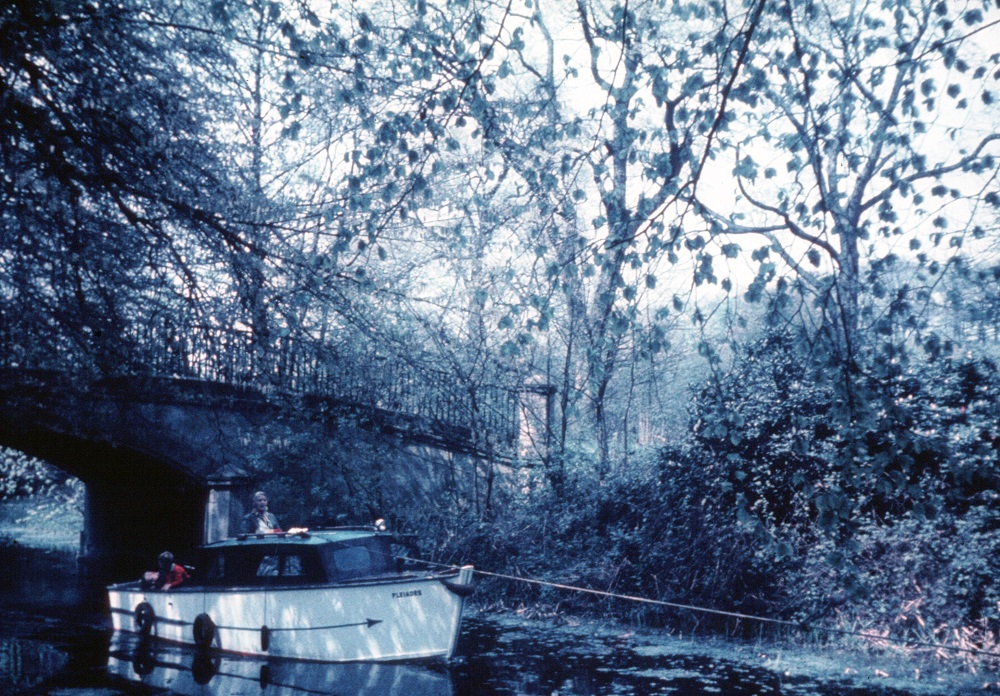
Now we start with the Pleiades trip.This is a Man Face Bridge. The woman in the headscarf is Bessie Bunker. She was the Secretary of the IWPS and was a redoubtable campaigner. She appears in lots of these photos. John Lower collection
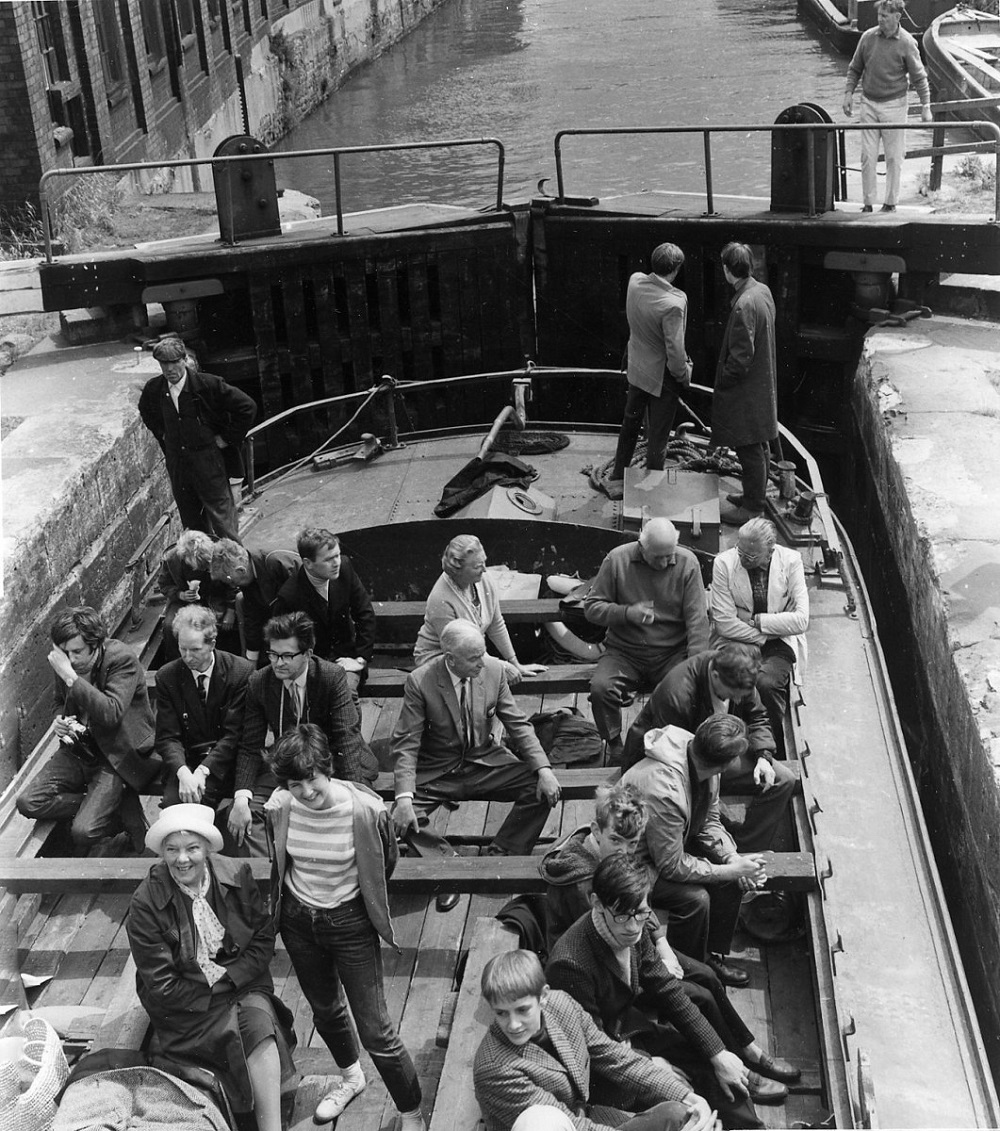
This is Bessie Bunker in the white hat on a cruise in Sheffield.
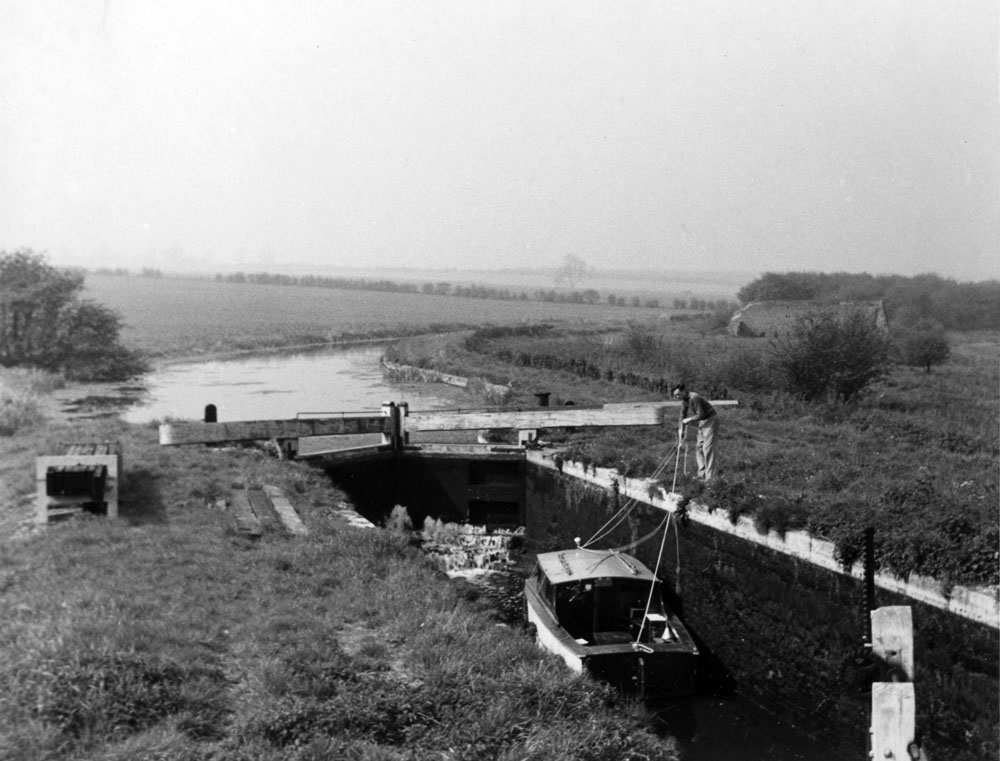
This is at Shaw Lock. John Lower collection
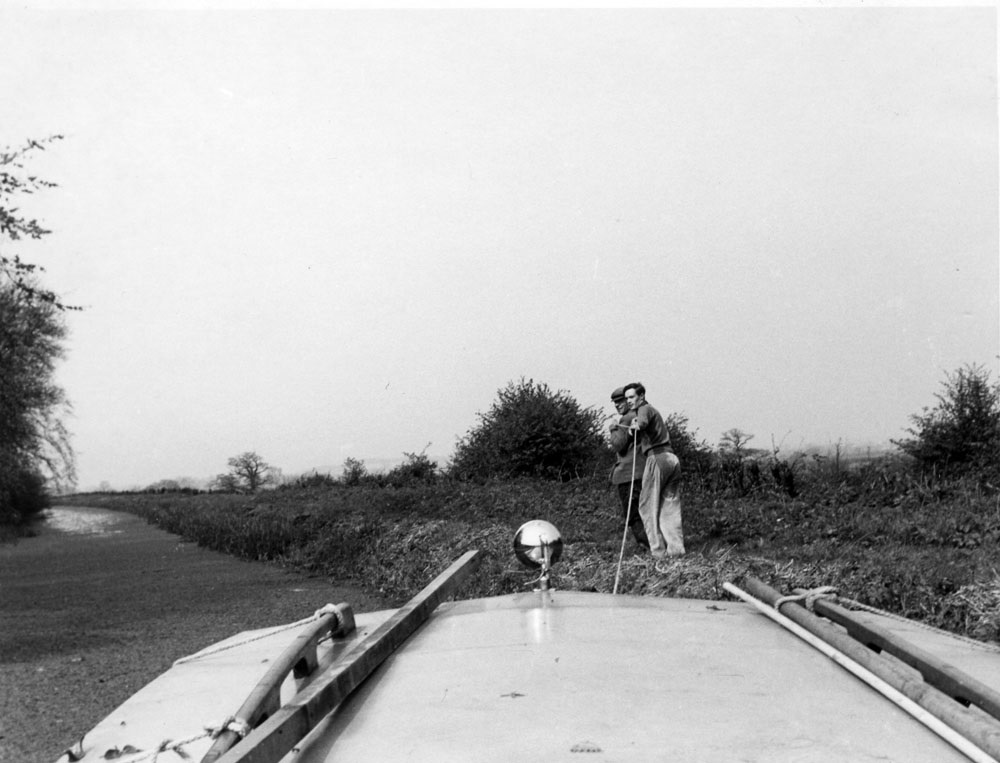
Towing through the weed above Gringley Lock. John Lower collection

Approching Drakeholes Tunnel. John Lower collection
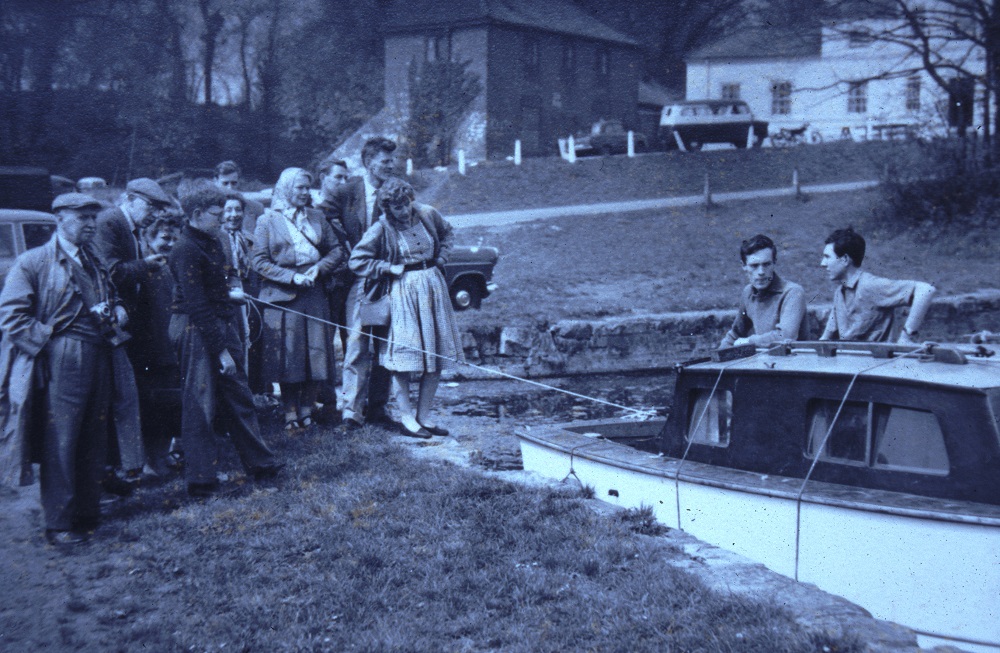
Arrival at Drakeholes. Note Bessie Bunker in the headscarf. John Lower collection
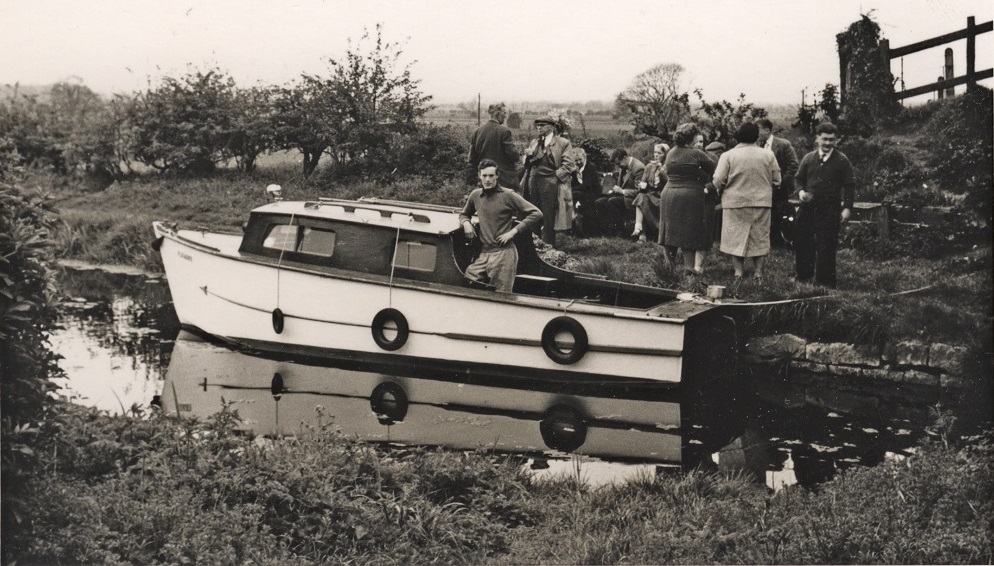
Lunch stop at Hayton. Richard Allsopp collection
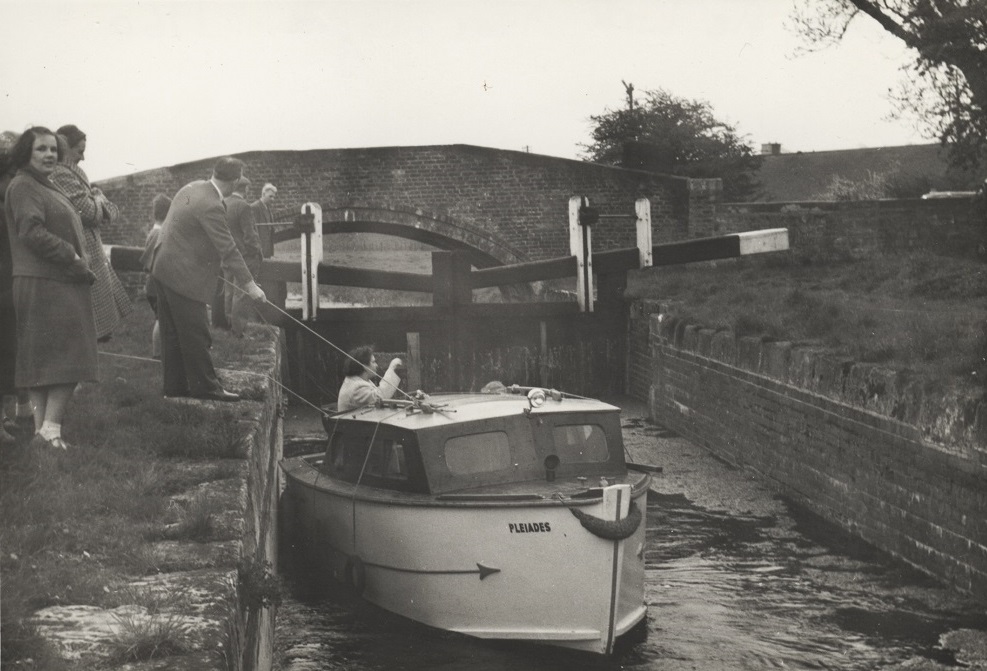
Whitsunday Pie Lock. Richard Allsopp collection
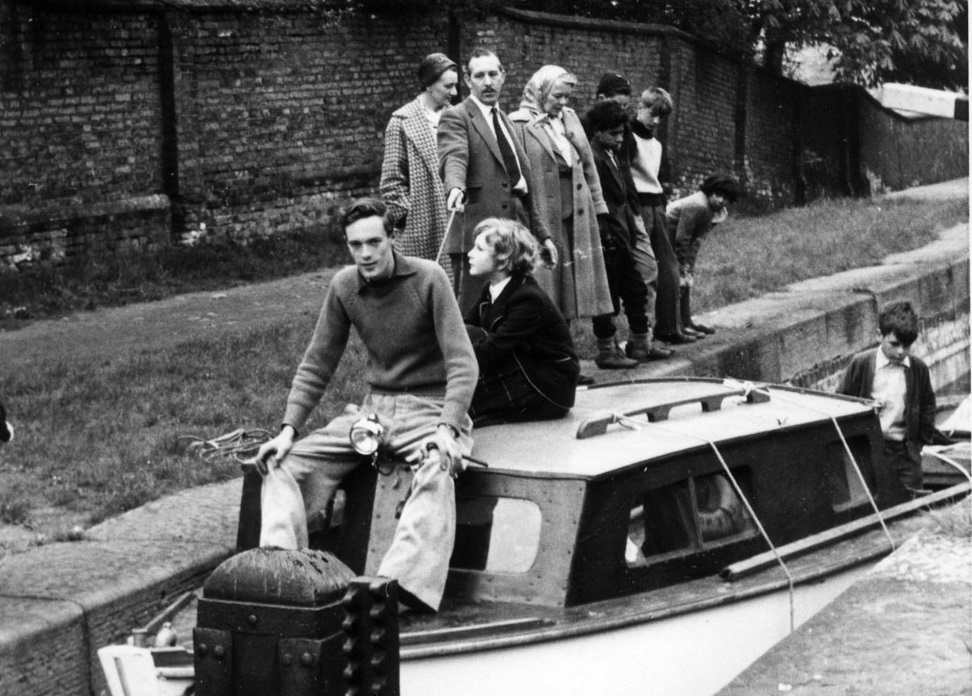
West Retford Lock. I’m sure you can spot Bessie Bunker by now. John Lower collection
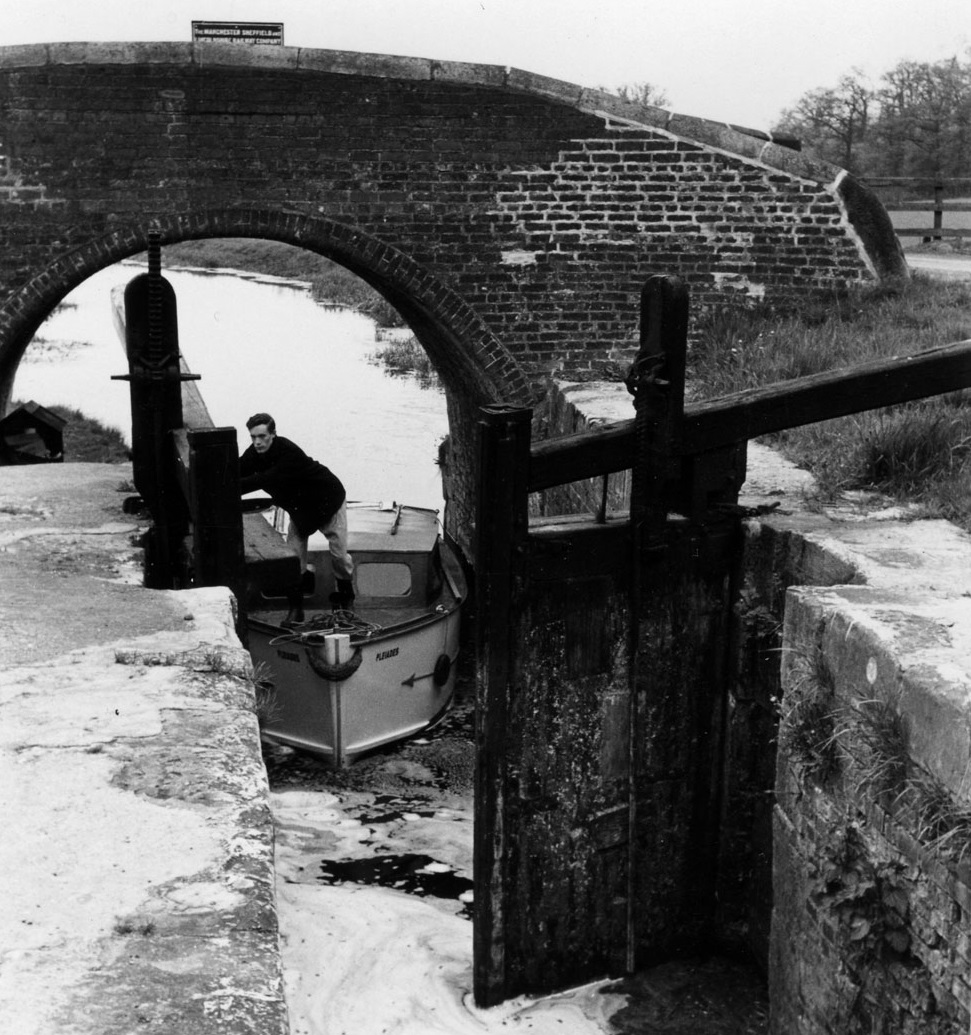
Osberton Lock. John Lower collection

Passing under Long Bridge. John Lower collection
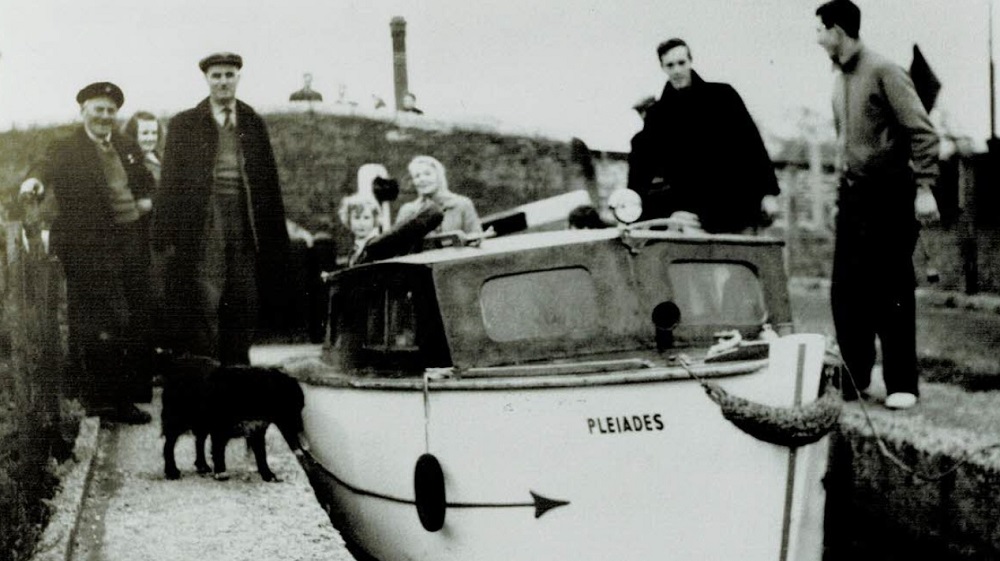
Bracebridge Lock. Herbert Cook (dragline driver), Bill Ledger (British Waterways section inspector), Bessie Bunker, Ralph Scott and Oliver Lovell, who owned Pleiades. Richard Allsopp collection
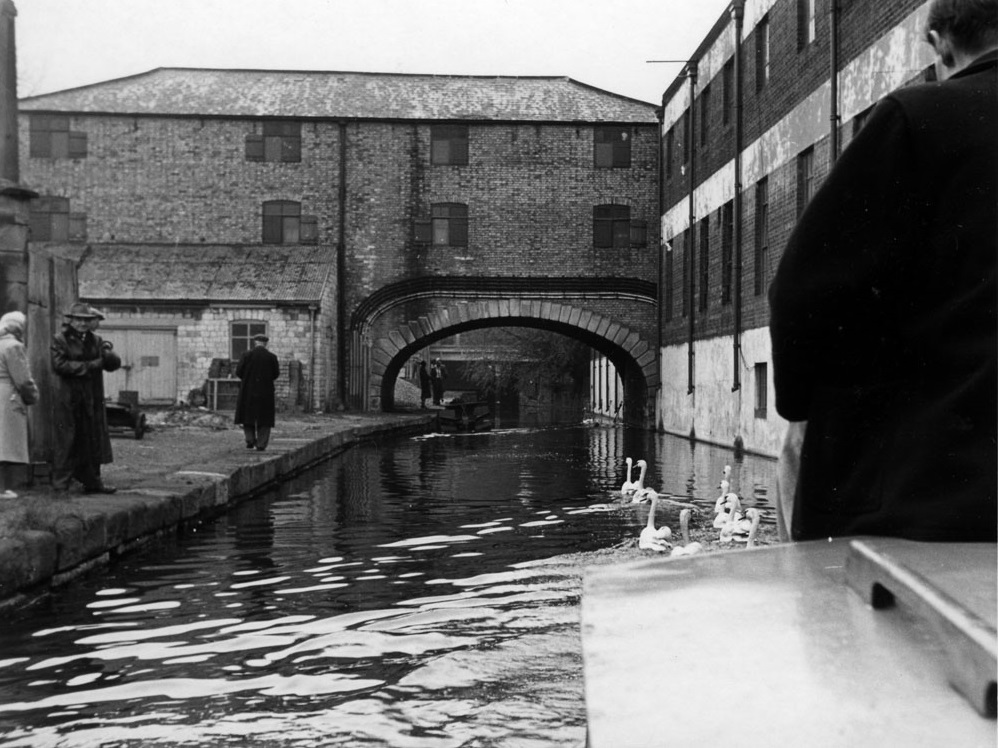
Straddle warehouse in Worksop. John Lower collection
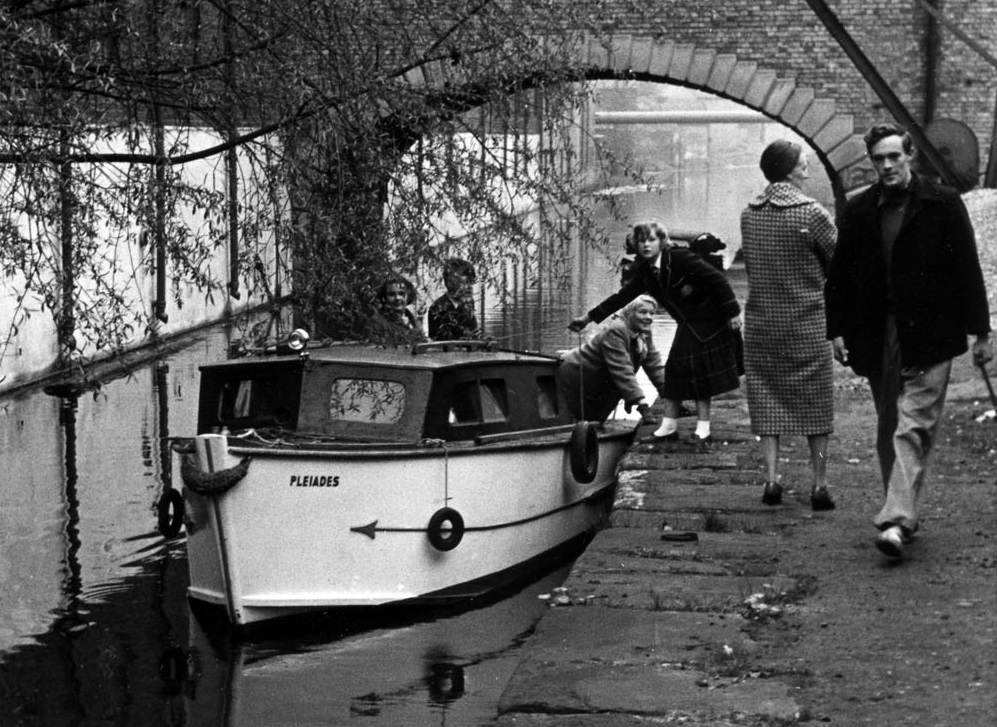
Journey’s end. They were advised not to go through Worksop Town Lock, which was then the last operational lock. John Lower collection