

4th May 2020
Of all the subjects to do with the canal, nothing causes more debate than the term Cuckoo boats.
There are many old boaters who insist that the term Cuckoo refers to the boatmen, not the boats. There are historians who point to the use of the term Cuckoo referring to the boats dating back to the early 19th Century. If you download the Autumn 2015 and Winter 2015/16 copies of our magazine Cuckoo, you can see the arguments in print. What is not in doubt is that the term Cuckoo boats is now widely used to refer to the boats that are unique to our canal.
The term Cuckoo is believed to date back to the time when these long thin boats (70′ x 7′) first started to appear on the River Trent. The Trent boatmen thought the canal boatmen were mad (cuckoo) for venturing onto the wild river in such craft. The boats were regarded as cuckoos in the nest for stealing cargoes from the Trent boats.
On this page we show a few photos of Cuckoo boats going back in time.
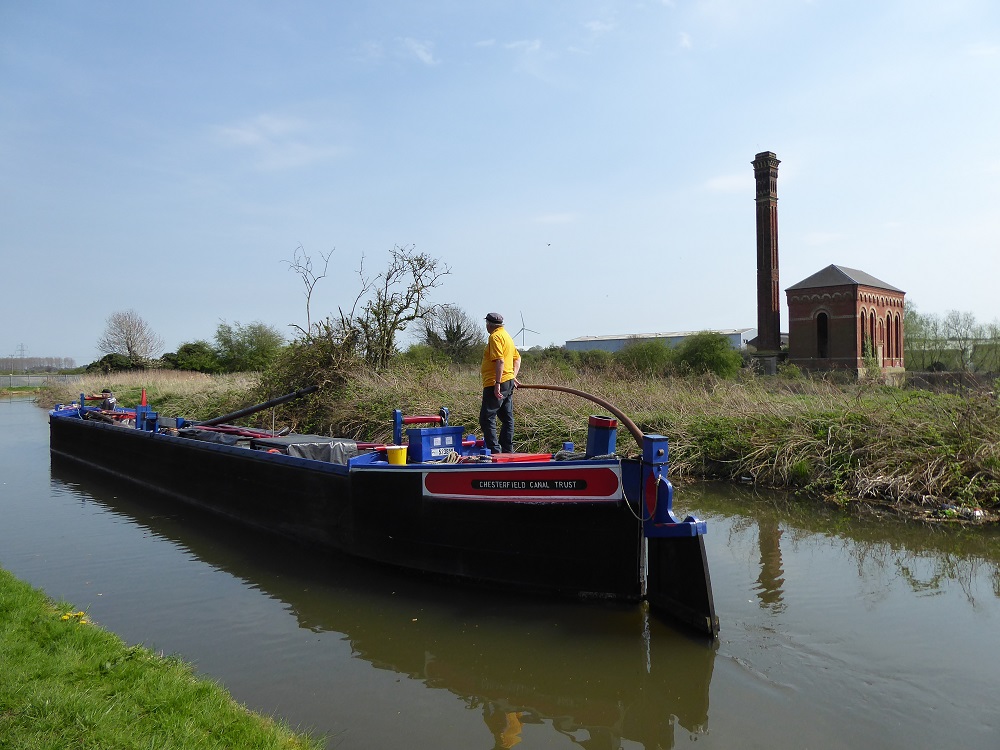
Pride of place must go to Dawn Rose, the only traditional Chesterfield Canal boat in existence. It is the first Cuckoo boat to be built since the 1920s. It was built from scratch over the course of four years by volunteers using traditional methods with no power tools. It was launched in April 2015.
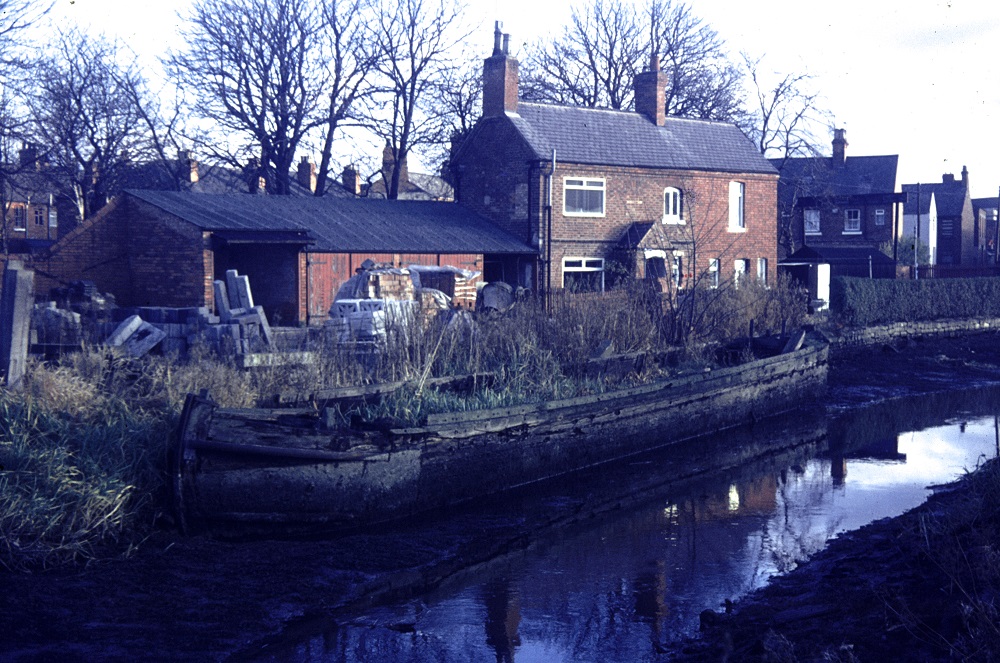
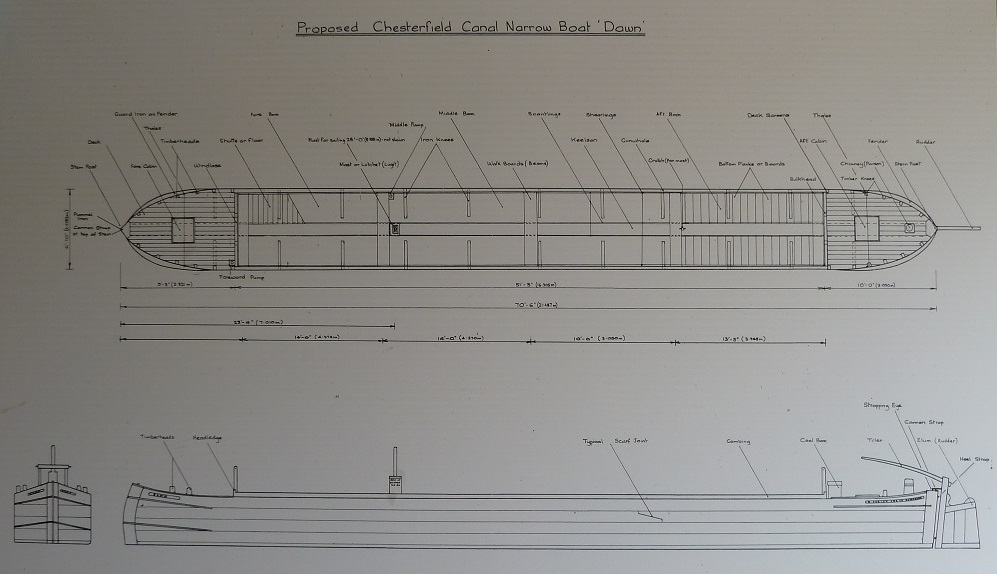
This is Ida. It was the last surviving Cuckoo boat on the canal. In about 1970, Richard Allsopp measured Ida, from which he produced the basic drawing from which Dawn Rose was built, see below.
Photo by Richard Allsopp
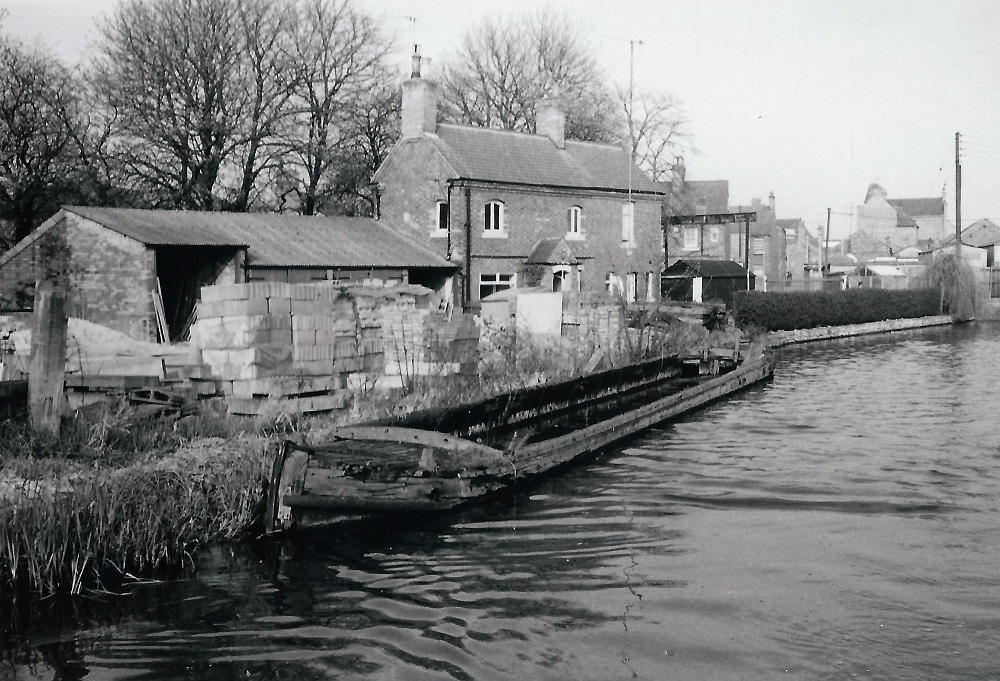
Ida, c.1973. Photo courtesy RCHS, Michael Oxley Collection, 89386
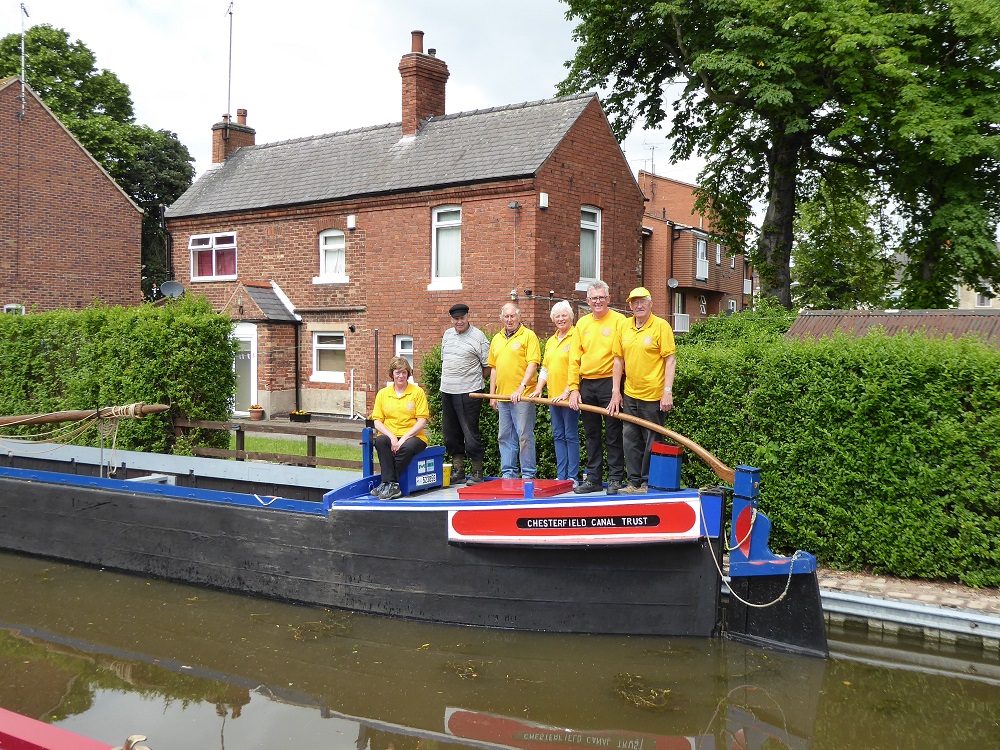
This is the Dawn Rose crew in 2016. The house in the background is the one in the Ida photos above.
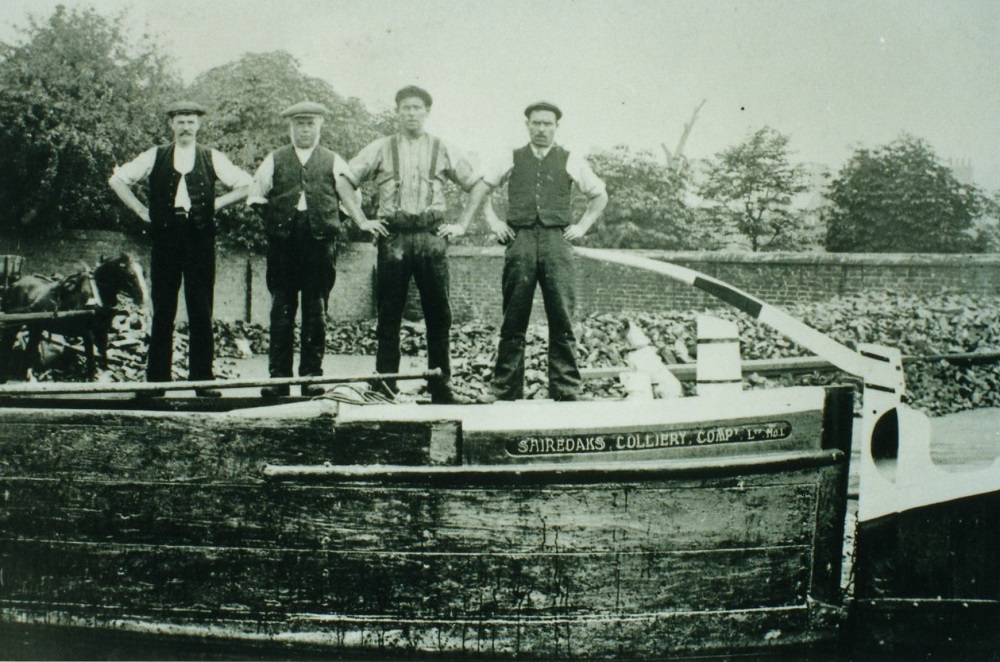
The reason for the Dawn Rose crew lining up in this fashion was to match this photo taken at Shireoaks Colliery Company’s Wharf at Dock Road Worksop in 1910.
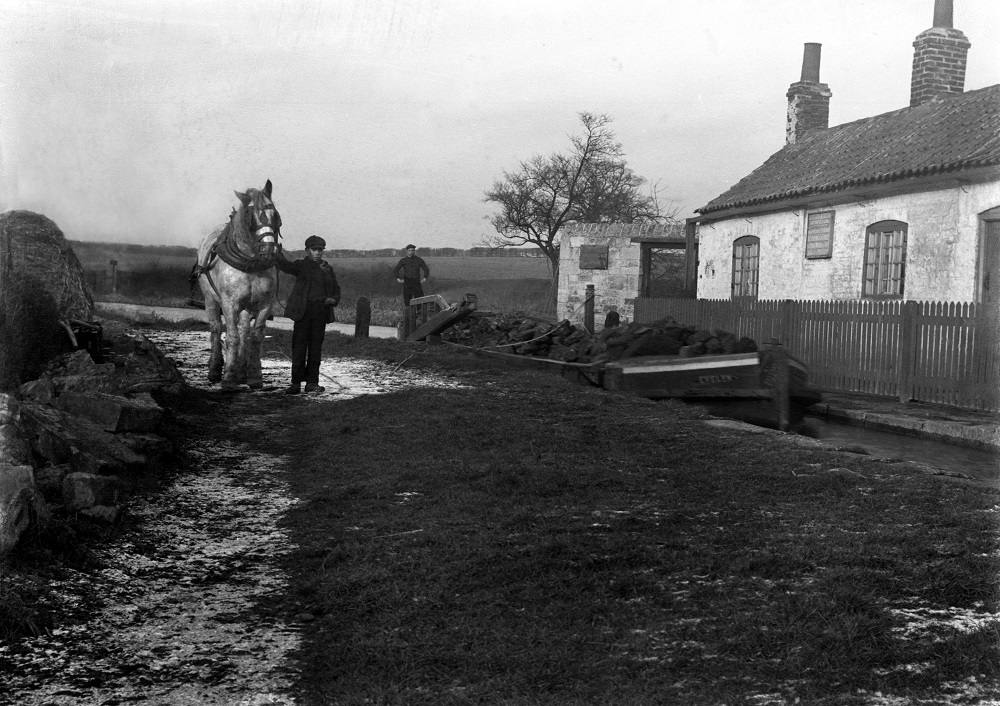
This is Evelyn taken at Morse (Mossy) Lock. We believe that the gentleman with his hands on his hips also appears on the right in the photo above. We believe that he is one of the Chambers family, possibly Frank. Photo courtesy Jonathan Whaite collection
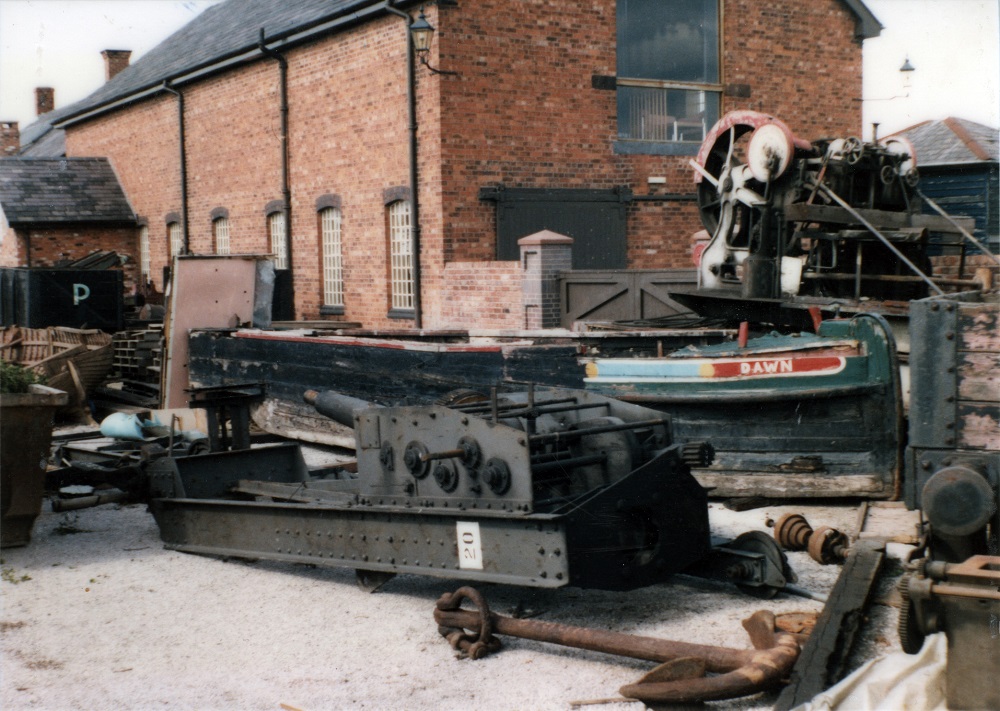 Whilst Ida was the last Cuckoo boat on the canal, Dawn was at the Canal Museum at Ellesmere Port. This had been adapted, but could still give some hints for a new build. In fact it turned out to be Norah. Photo taken in 1986. It was later scrapped. Photo by John Marsden
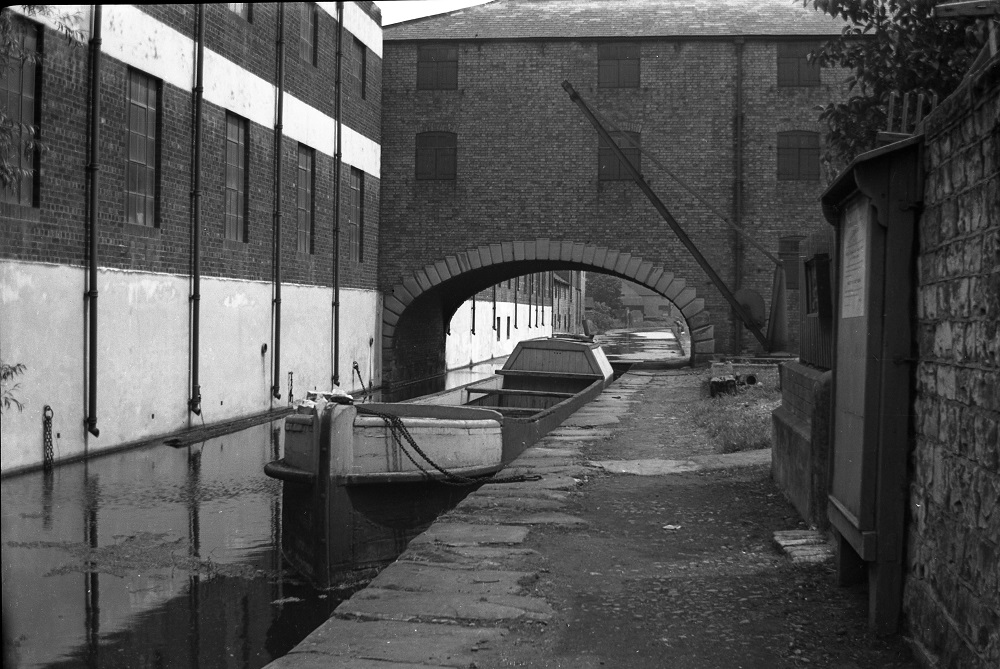
This is Norah at Worksop in 1956. Photo by Stan Heaton
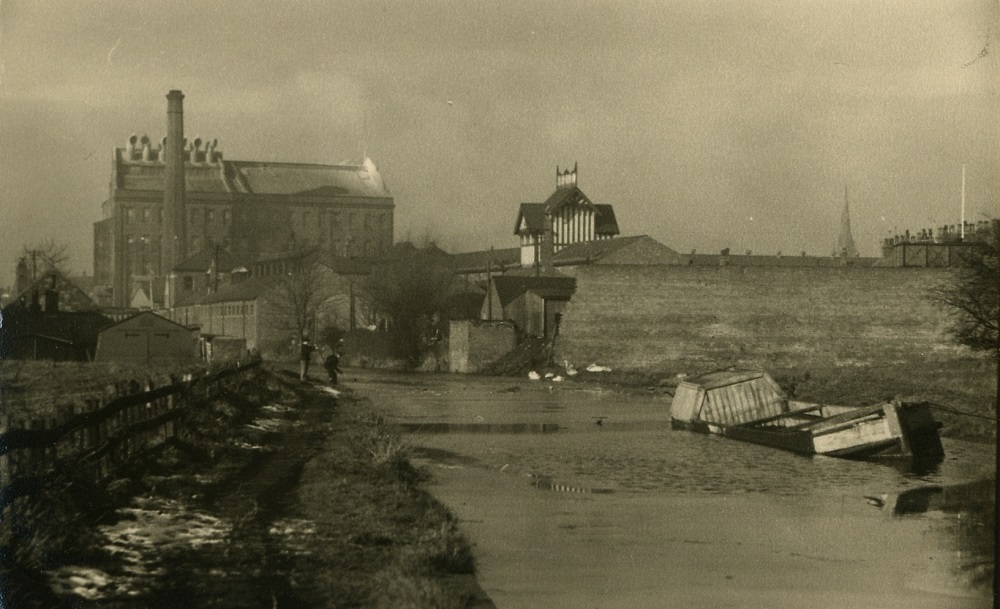
This is Norah sinking just above Priorswell Bridge. Photo courtesy Richard Allsopp collection
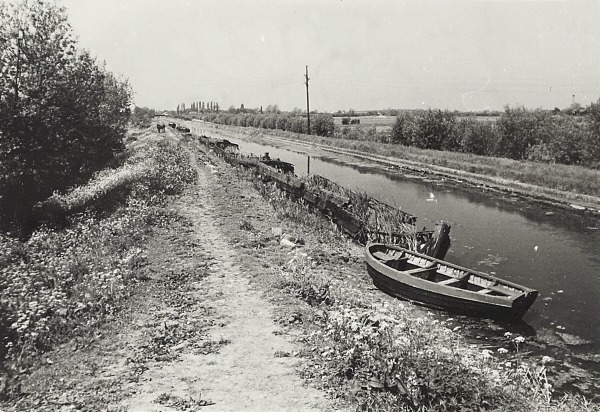
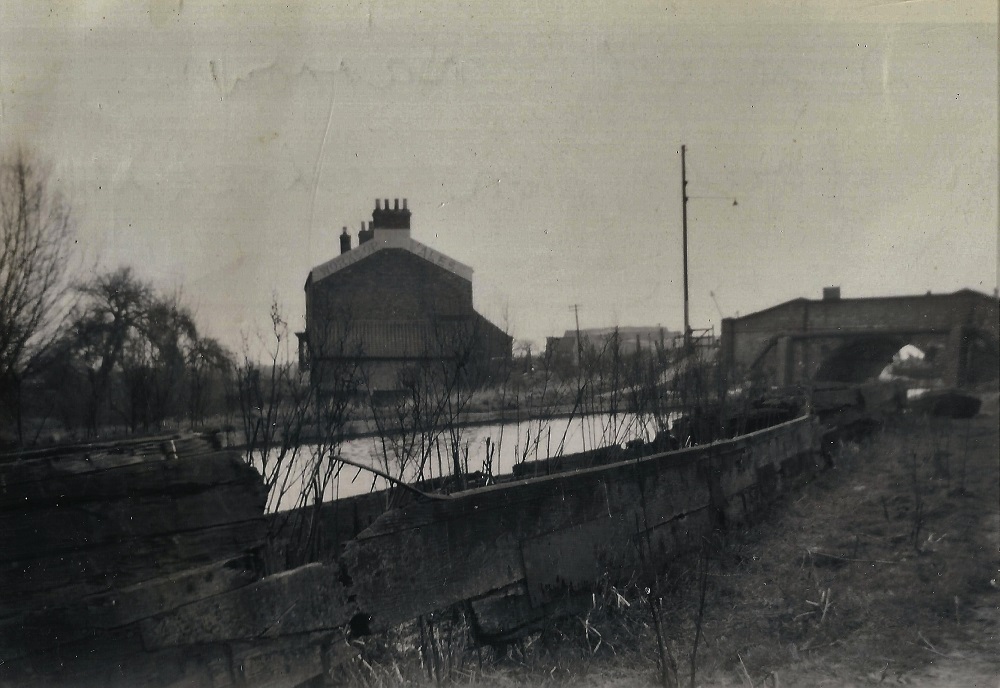
This is a line of rotting boats just above West Stockwith basin in 1955. In the distance you can see a horse pulling two boats. These are probably Lord Milton and Lady Milton carrying warp from West Stockwith to Walkeringham. This was the final commercial traffic on the canal, ceasing in 1955 after being transferred to road vehicles. Warp was a fine, natural silt dredged from the River Trent, at the mouth of the River Idle, which was dried in the kilns at Walkeringham and used as a powder to polish metal in Sheffield’s cutlery trade.
Photo courtesy C&RT, Arthur Watts collection
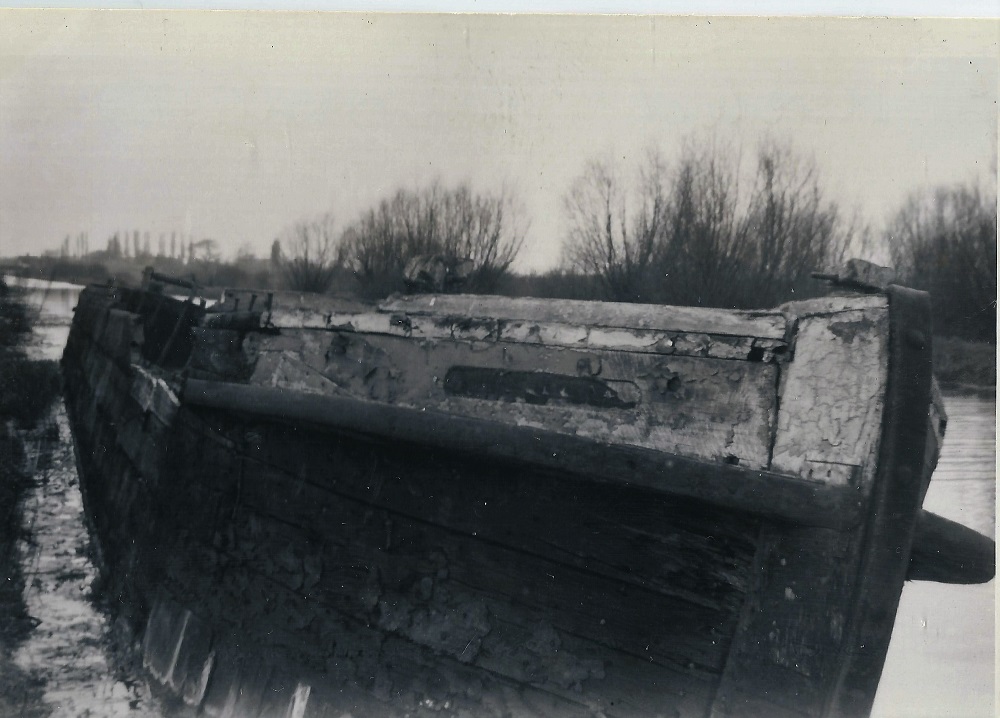
A close up of one of the boats taken in 1958. Photo courtesy RCHS, Kenneth Gardiner Collection, 66212
Another shot of the boat. Photo courtesy RCHS, Kenneth Gardiner Collection, 66213
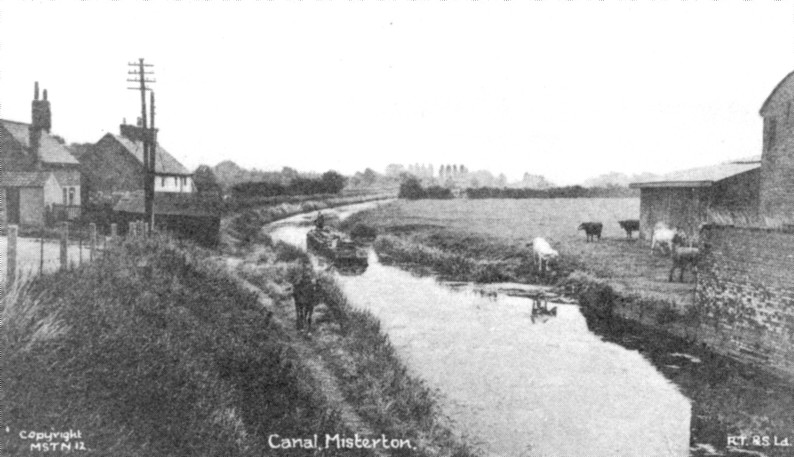
Hewitt boat at Misterton probably 1930s or 40s, but could be the 1950s if it was a warp boat. Postcard by Raphael Tuck. Photo courtesy Bassetlaw Museum
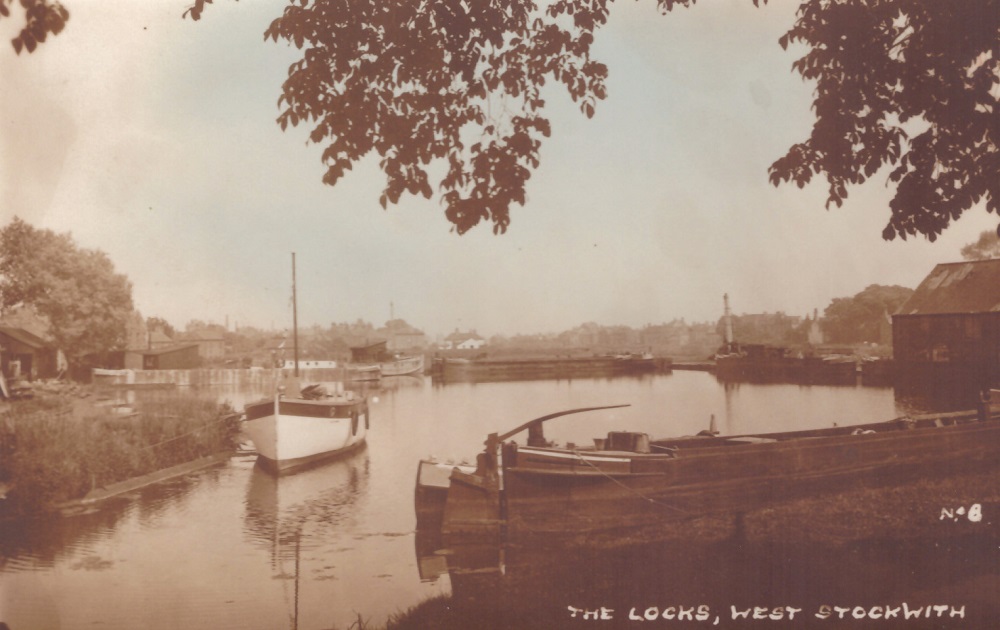
This postcard of West Stockwith is by R.B. & E.D. Richards, photographers, Strensall, York.
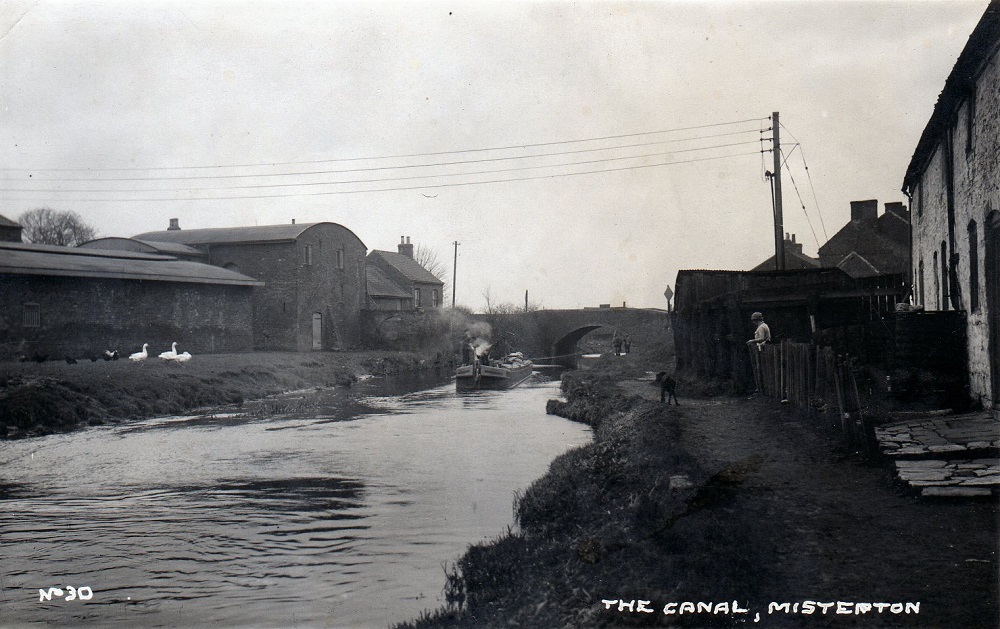
This photo was taken below Wharf Bridge in Misterton, possibly in the 1930s. It was presented to the Trust by Mrs Arlene Bull, who believes that the steerer is her father, Wilf Smith, with Walter Smith, her grandfather, leading the horse.
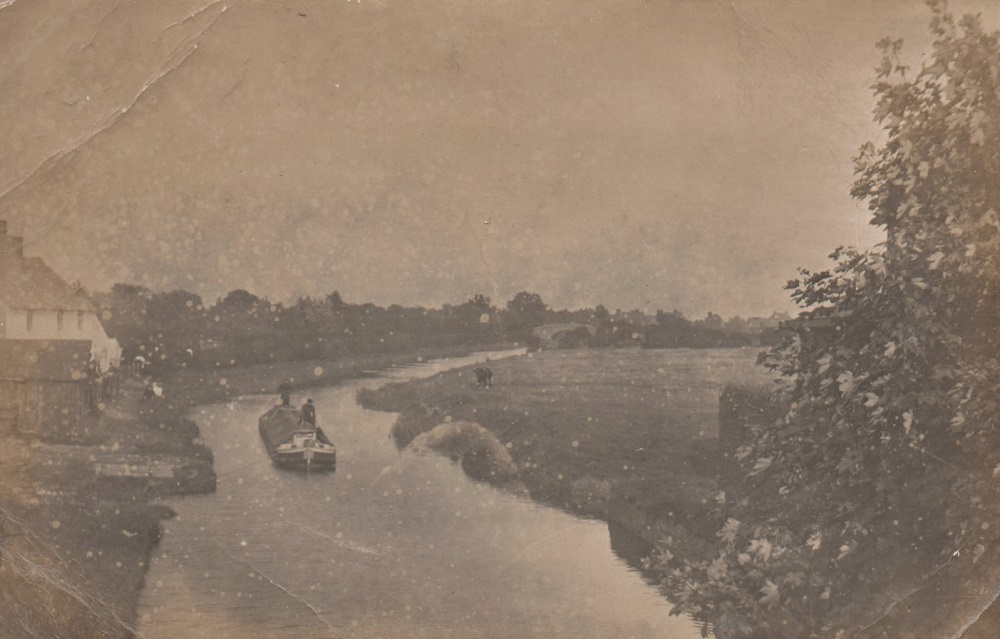
This postcard is also of Misterton. The way it is clothed up suggests that it is carrying grain or a similar dry cargo. It could be one of Furley’s fleet or an independent carrier. Photo courtesy Andrew Jenkins collection
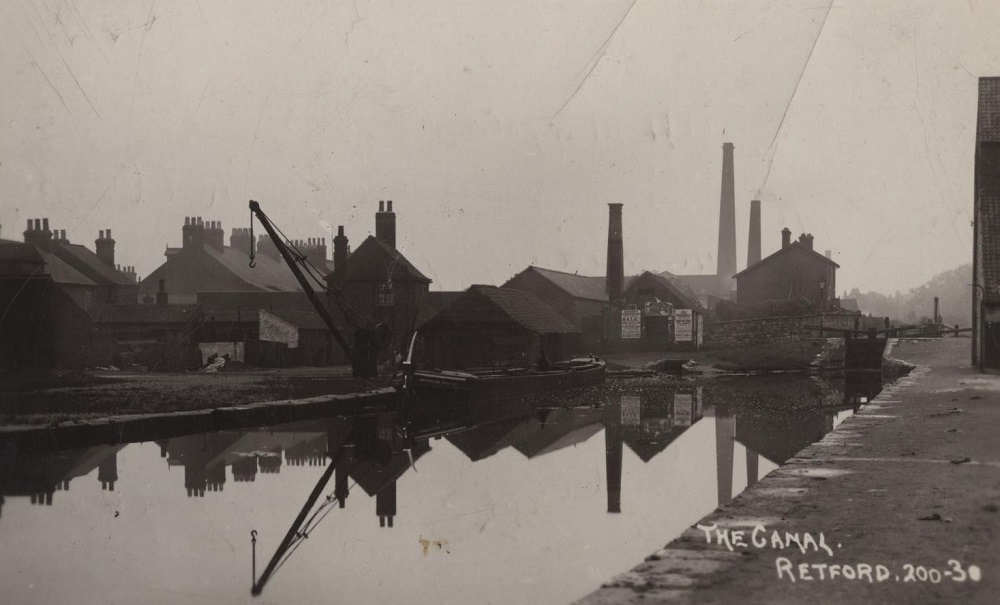
This is just below Retford Town Lock where Retford Mariners are currently located. The boat belonged to Crosslands. Directly behind it you can see a shed. This was over the dry dock, now buried.
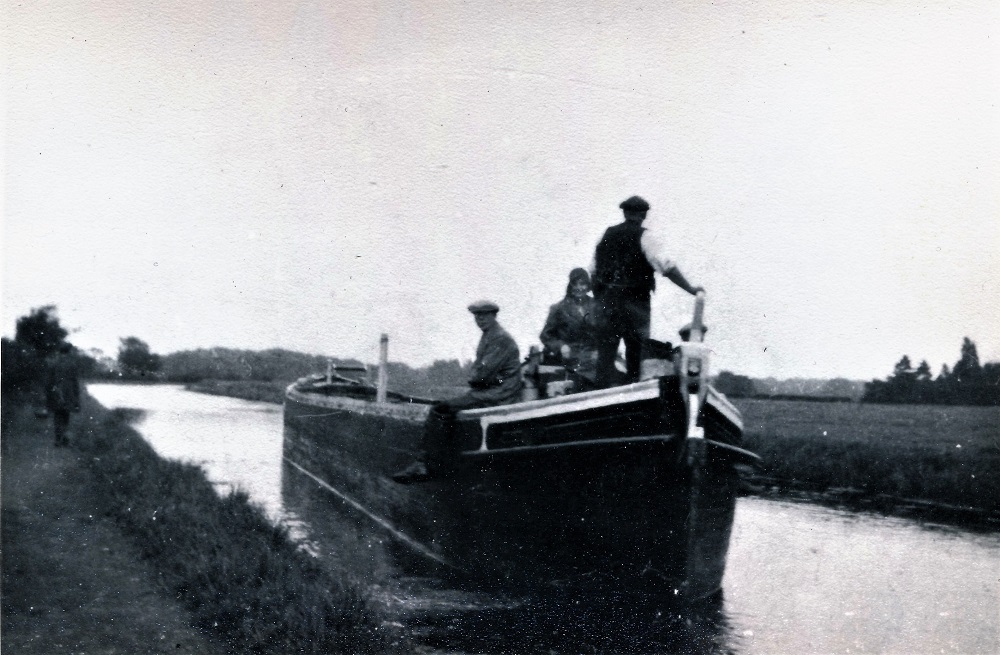
Alf Chambers and family near Manton Viaduct, probably on Ida (see above) c.1930.
Photo courtesy RCHS, Michael Oxley Collection, 89477
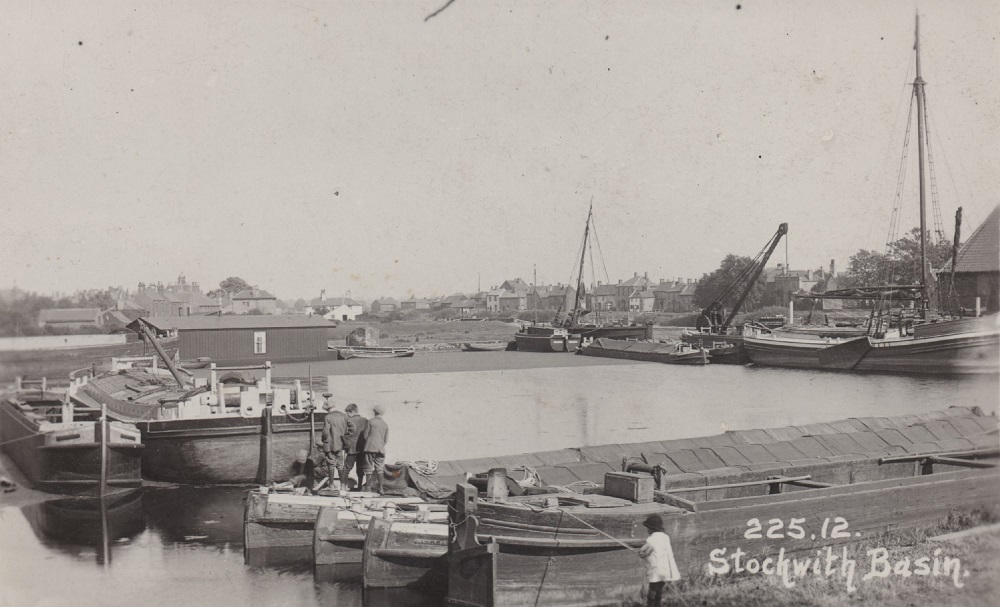
Three of Furley’s boats at West Stockwith c. 1925. Two are Jessie and Nellie, we believe that the third one is Mavis. Photo courtesy Andrew Jenkins collection
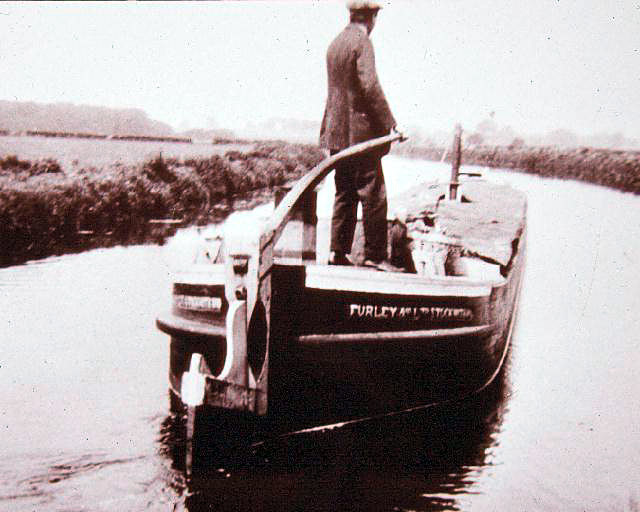
As you can see, this is also one of Furley’s boats.
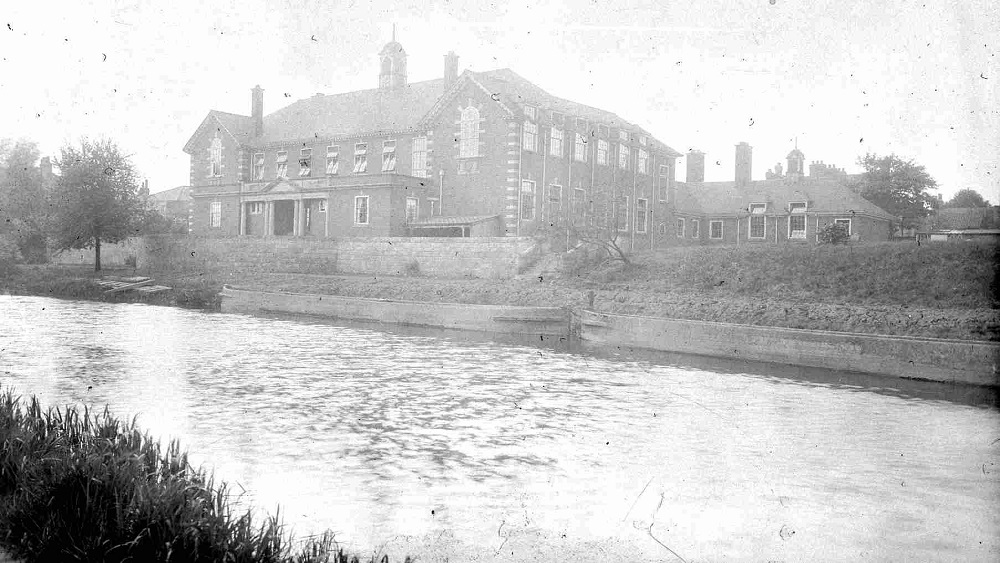
These two workboats in front of Retford Girls High School have no cabins, so they are probably mud boats. The photo was a postcard by Welchman in 1924. Photo courtesy Bassetlaw Museum
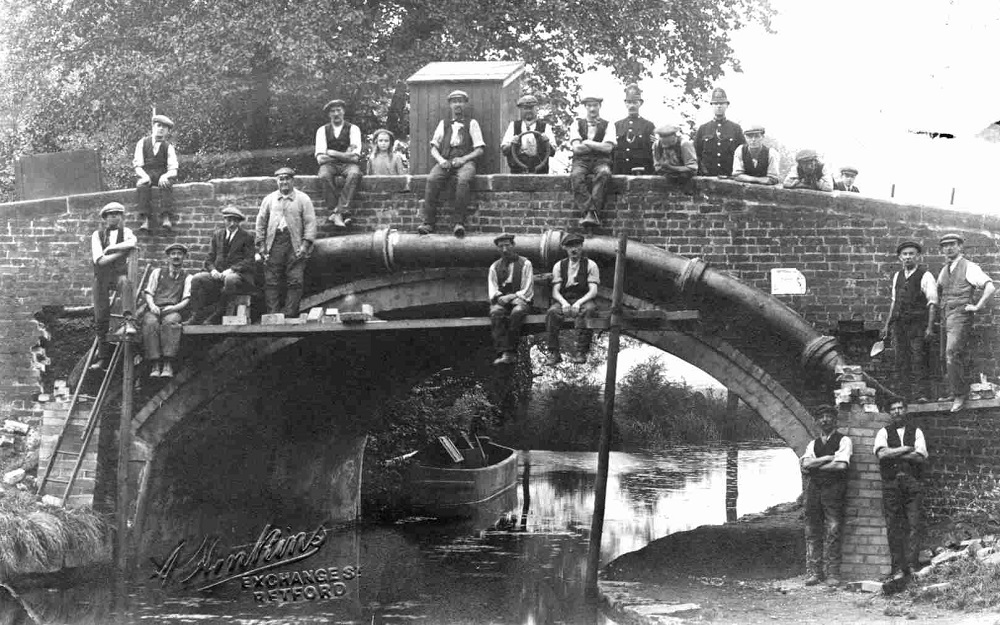
Woodcock’s Bridge in 1920. Note the workboat just beyond the bridge. Photo courtesy Bassetlaw Museum
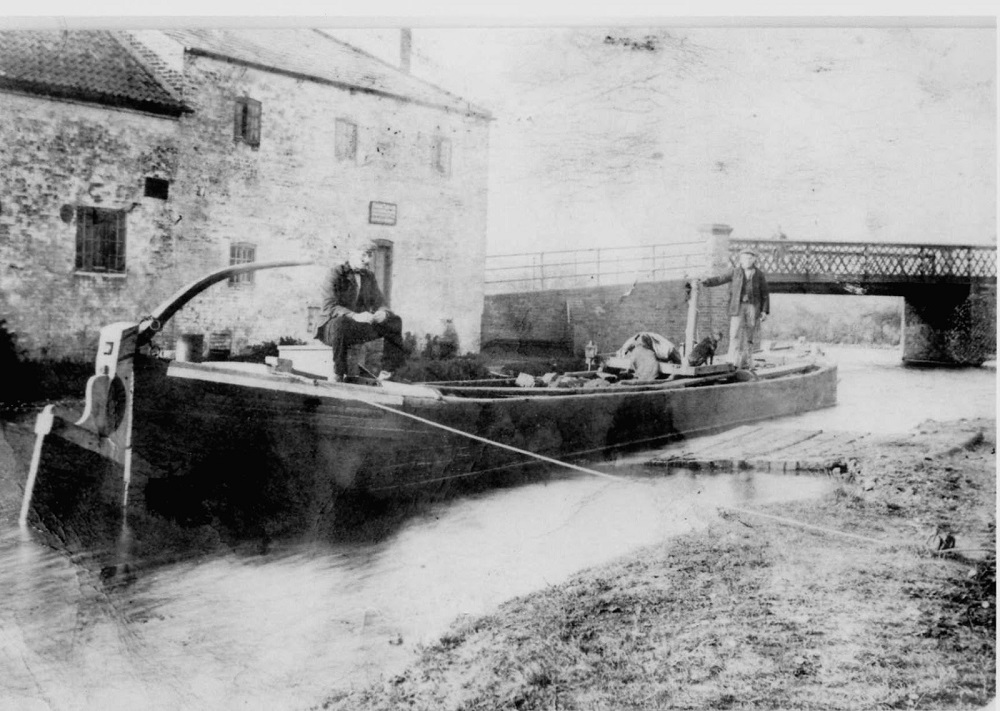
This was taken at Clayworth in 1913. The boat had brought cinders from Kiveton Park, probably for road repairs. Photo courtesy Christine Richardson collection
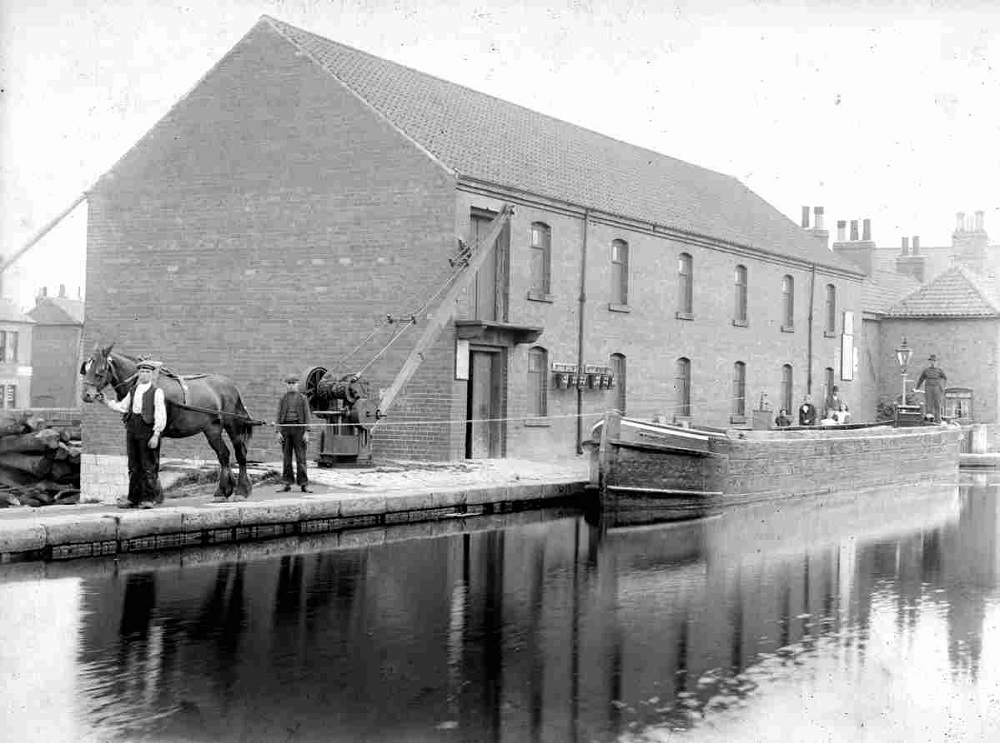
This was at Retford in 1910. The boat was called Empress, but was renamed Lillian by its owners, the Clarks. The towing rope is far too short. It must have been set up like this to get the horse into the photo.
Photo courtesy Bassetlaw Museum
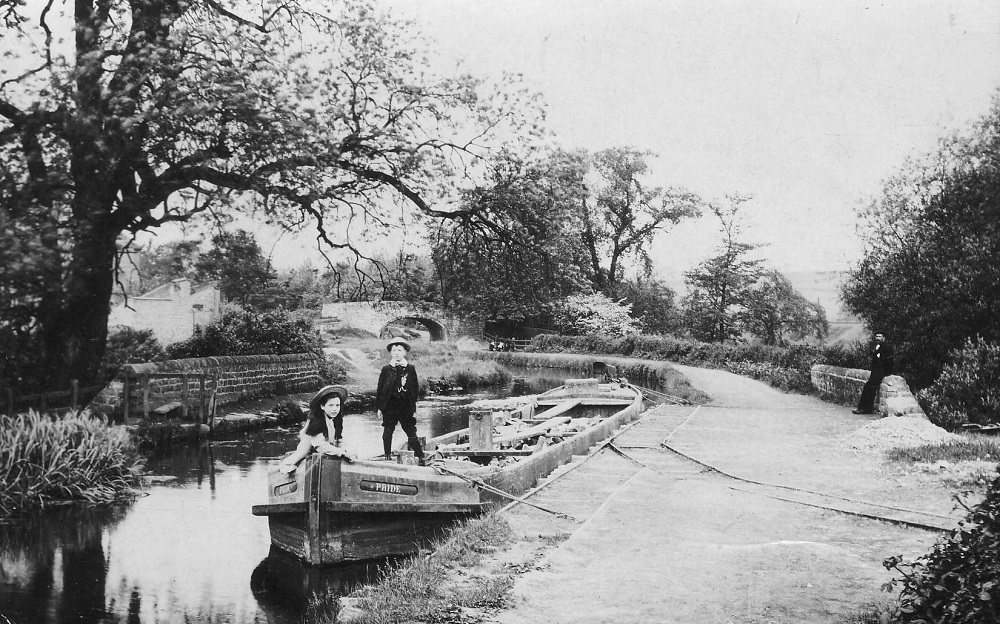
Pride taken at Cinderhill c. 1907. Photo courtesy Alan Mugleston collection
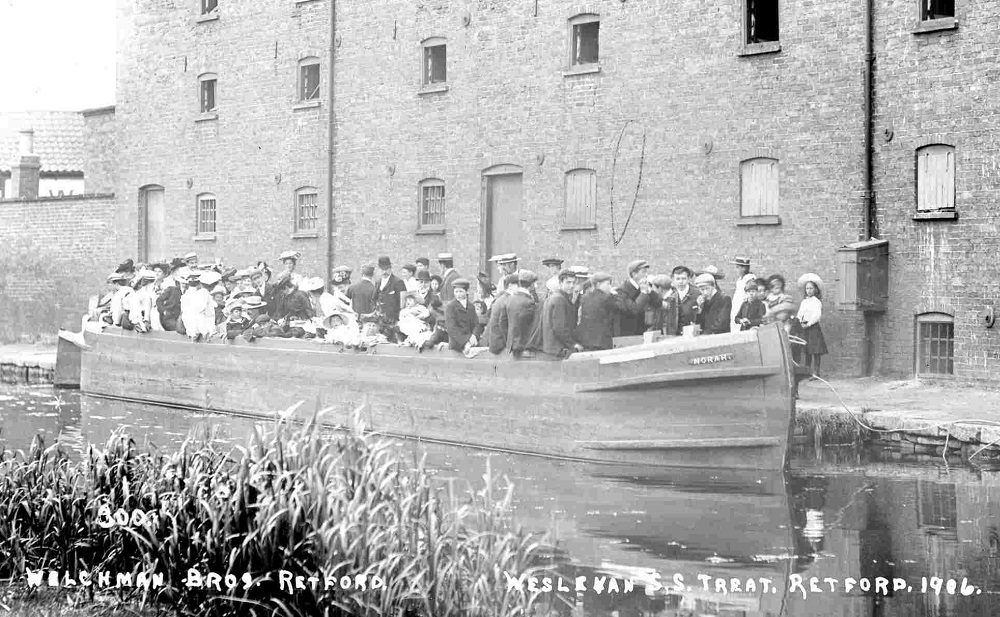
Wesleyan Sunday School treat at Retford in 1906 on Norah. Photo courtesy Bassetlaw Museum
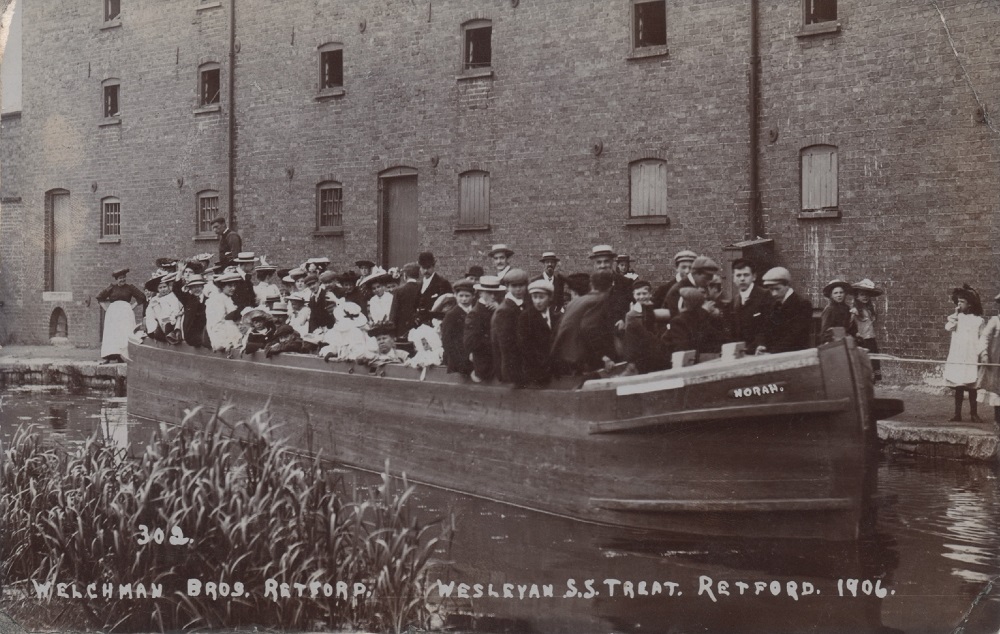
This may look the same as the above photo, but it is a few moments later. They have set off; the towrope is taut. Photo courtesy Andrew Jenkins collection
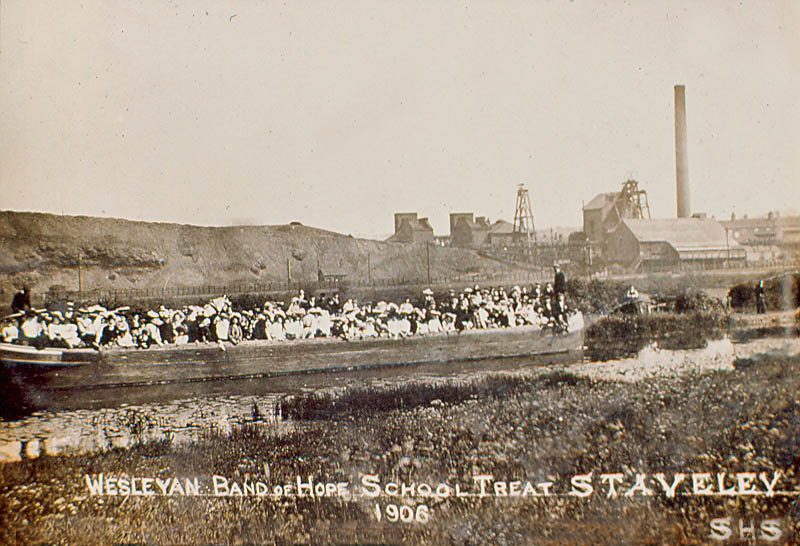
Wesleyan Band of Hope outing at Staveley in 1906.
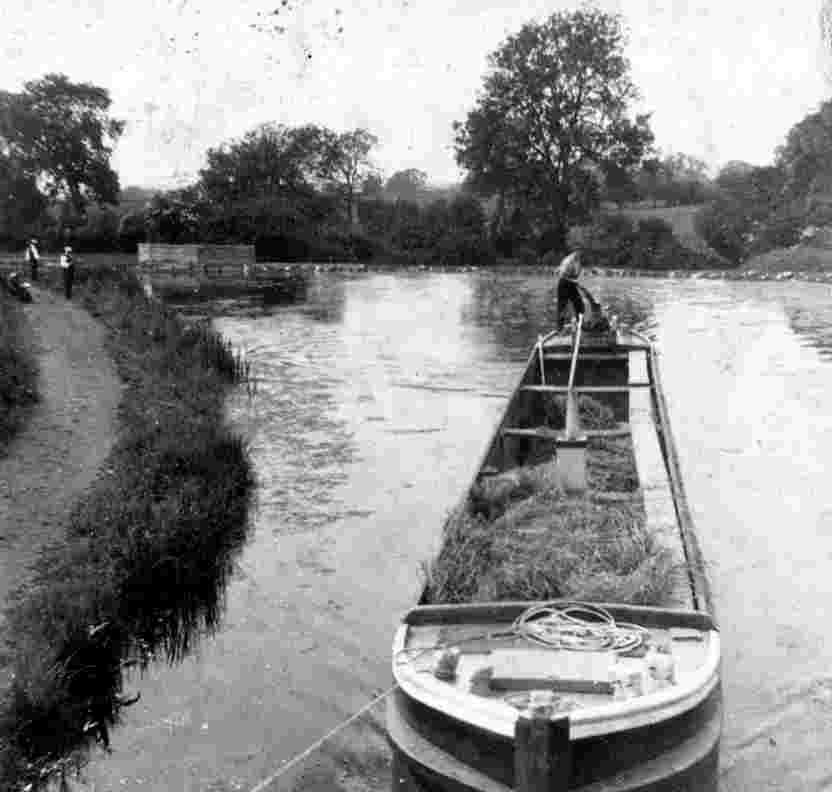
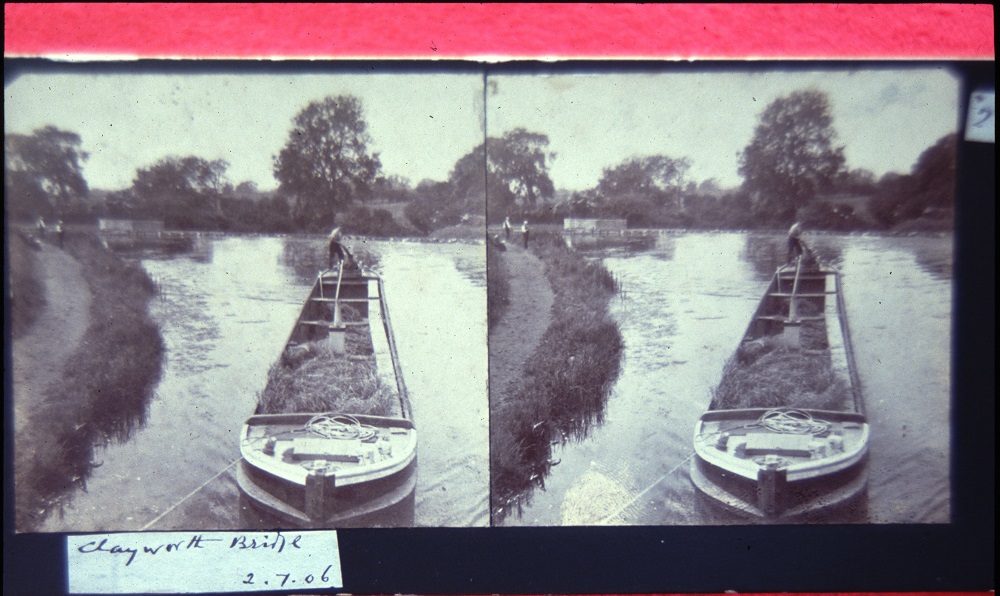
This photo was taken at Clayworth in 1906. It is one half of the stereo photo below.
Both photos courtesy Bassetlaw Museum
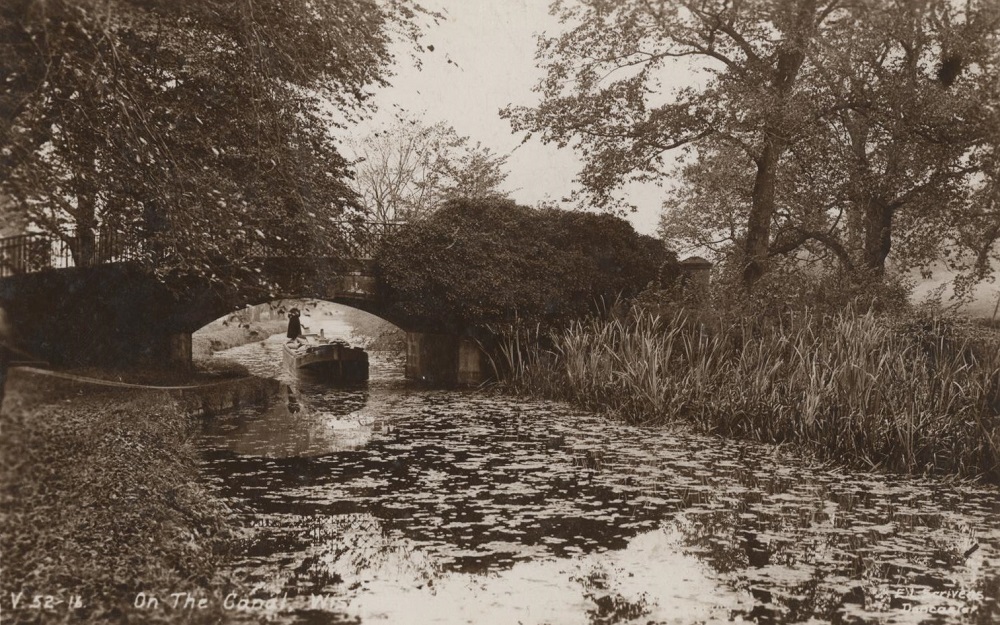
This is a very special photo taken at Lady’s Bridge. It is the only one we have with a woman steering.